
A video wall processor receives video, data and application sources, then routes and arranges them across a large display surface so operators can see multiple feeds at once. MERLIN is Harp Visual's UK-designed and manufactured video wall processor for 24/7 control rooms, command environments and knowledge walls. It can combine direct physical inputs such as HDMI, DisplayPort, SDI and USB-C with IP streams using protocols including RTSP, RTP, RTMP, UDP, HTTP/HTTPS, SRT, MPEG2-TS and HLS. A MERLIN system can accept up to 128 individual feeds and drive up to 64 screen outputs, depending on configuration. It can also support operator interaction through KVM integration, encrypted IP streaming, automated alarm response and UTC clock display where specified. MERLIN is typically deployed in transport control rooms, defence operations rooms, utilities monitoring centres and other environments where continuous multi-source visibility is operationally critical.
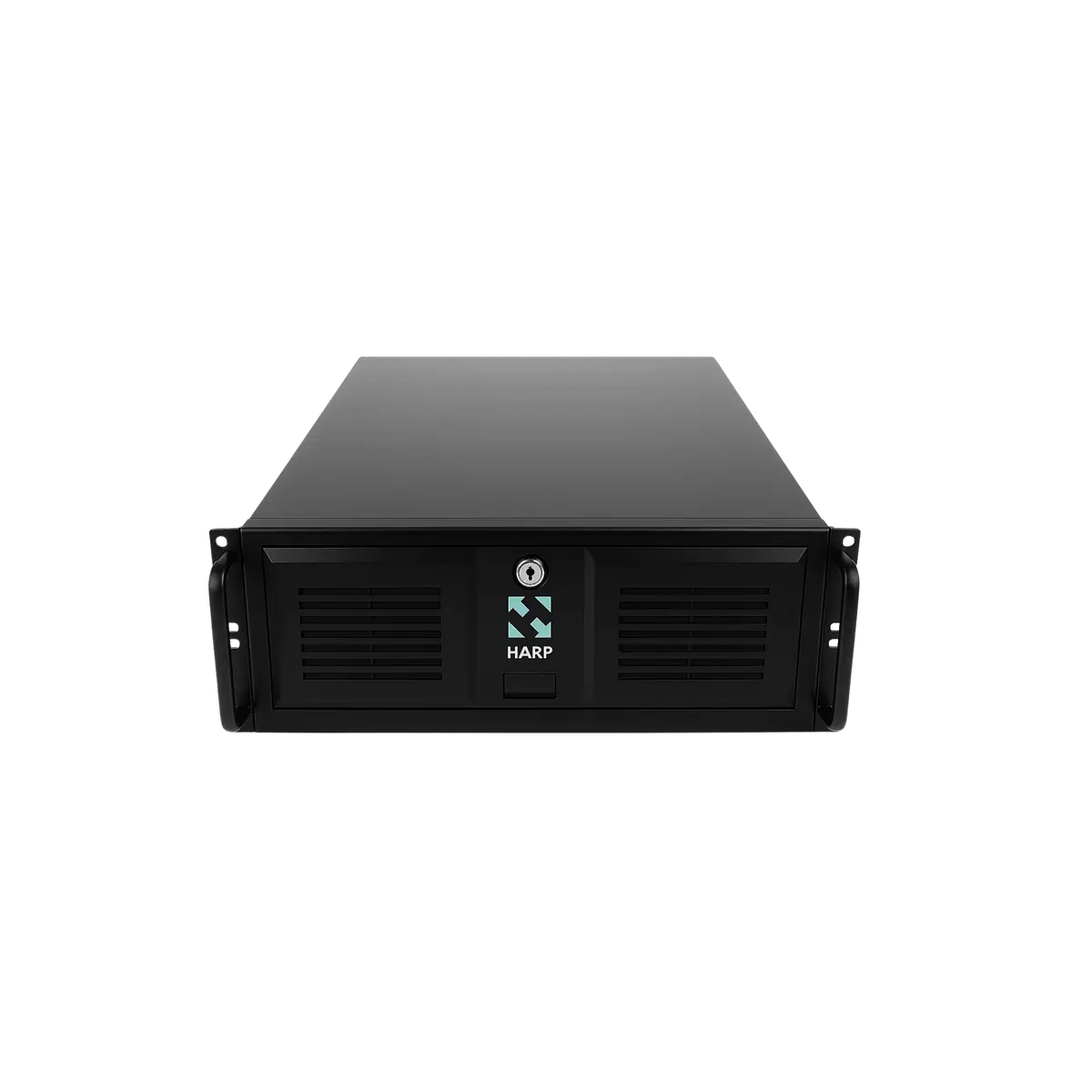
MERLIN Processor for operational video wall environments.
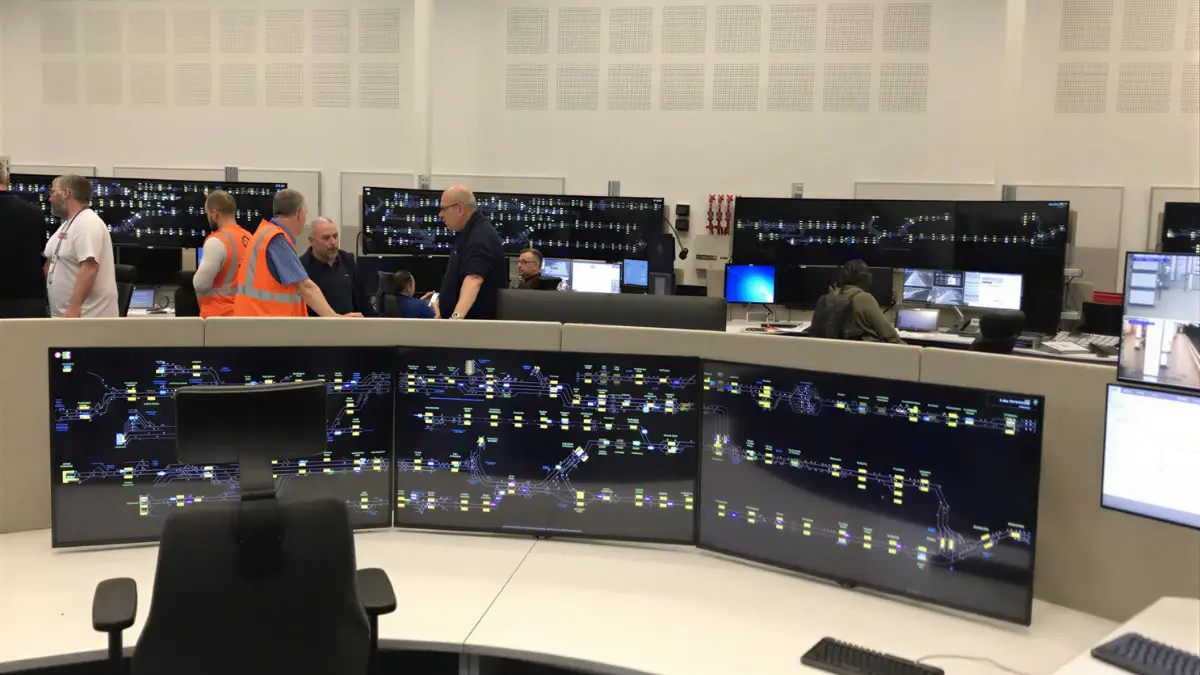
MERLIN is a UK-designed and manufactured video wall processor built specifically for 24/7 operational control rooms, command environments and knowledge walls.
It combines physical inputs and IP streams into one managed video wall environment, supporting up to 128 individual feeds, up to 64 screen outputs, CommandaNT touch panel control and additional capabilities such as encrypted IP streaming, KVM integration and UTC clock display where configured.
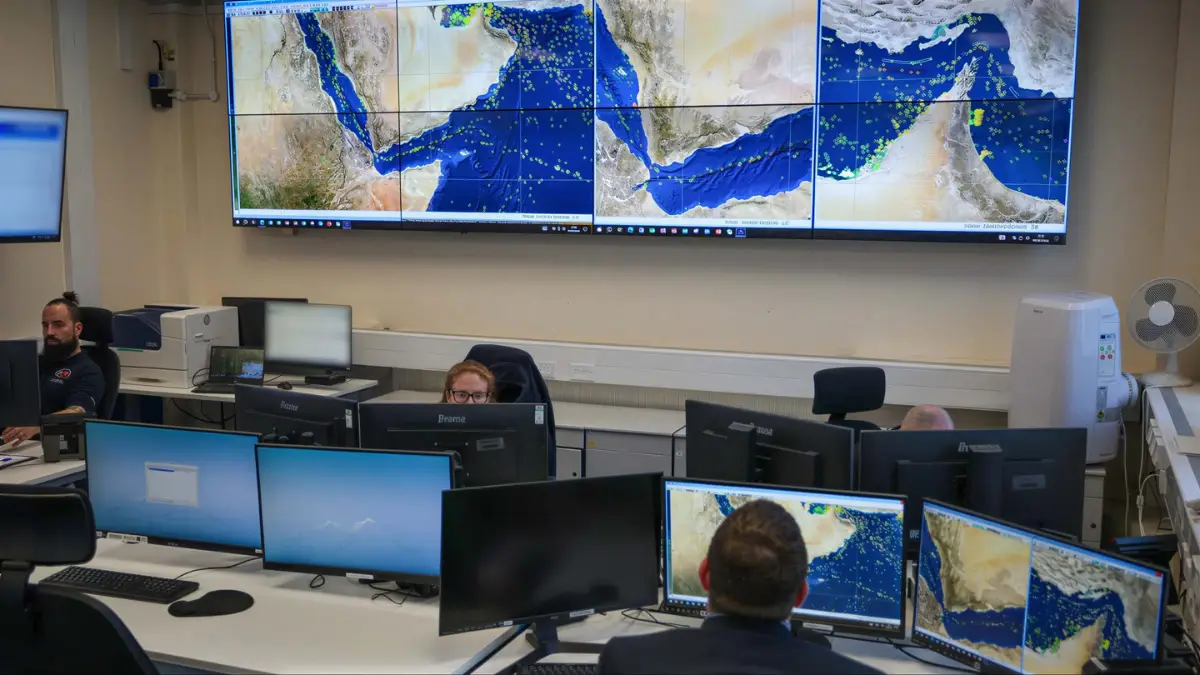
What MERLIN can take in
MERLIN combines physical connections and IP streams so operational sources can be placed on the video wall.
Input capacity
MERLIN accepts up to 128 individual feeds in a single system, combining physical connections and IP streams in any combination.
Connection types
Physical sources connect directly via standard video interfaces. IP sources are brought in over the network using standard protocols.
Operational sources
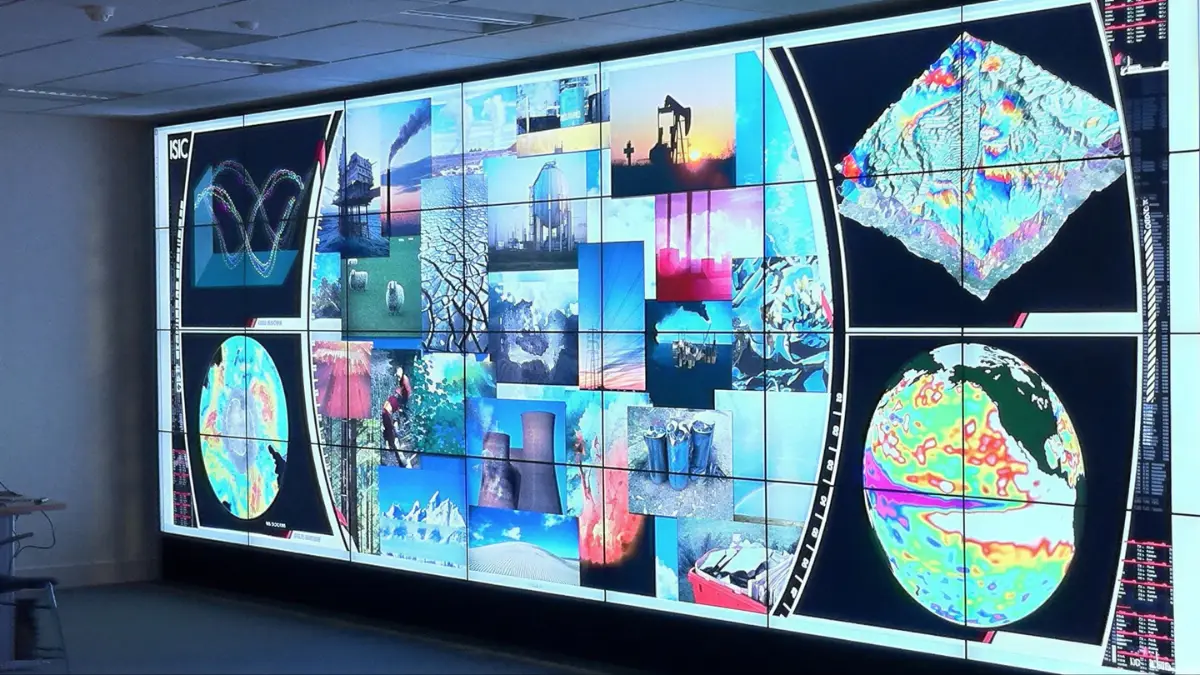
CCTV, SCADA, GIS, web dashboards, broadcast feeds, desktop computers, video conferencing streams, IP cameras and remote site feeds can all be placed on the wall.
Physical connections
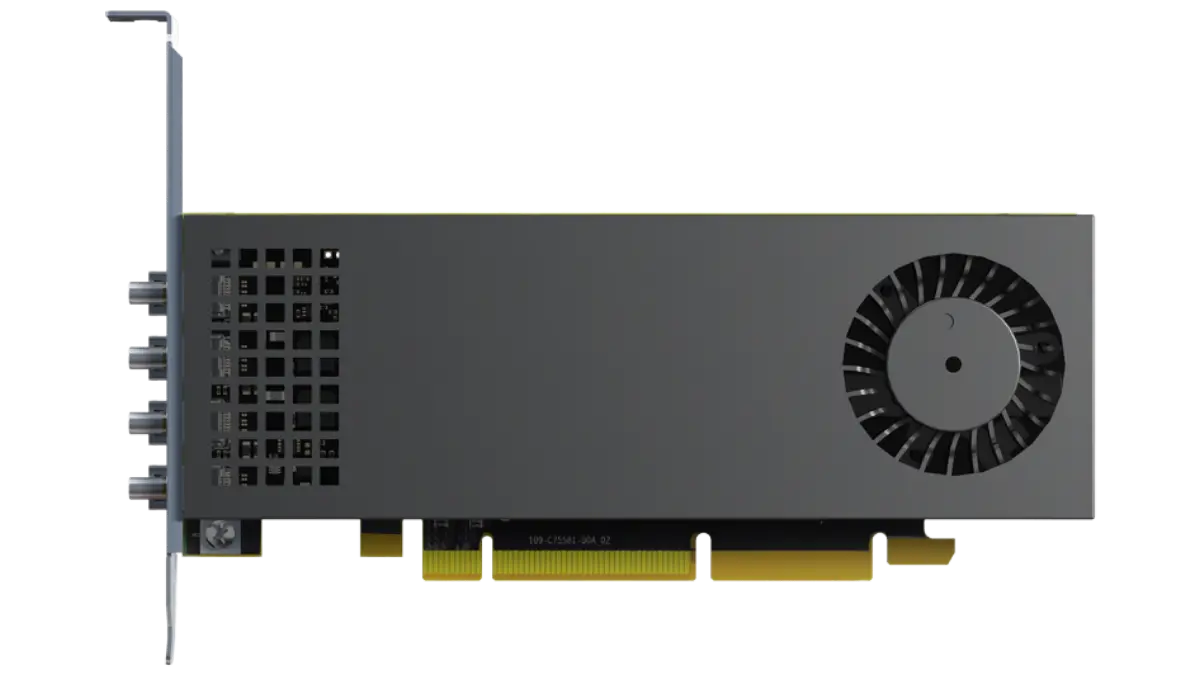
Direct physical video connections from source devices - no encoding required. Supported physical inputs include HDMI, DisplayPort, SDI and USB-C. Sources connect directly to MERLIN input cards. Multiple input cards can be mixed and matched to accommodate the specific source mix of the installation.
IP and network sources
IP-based sources can be brought in over the network using standard protocols, alongside or instead of physical connections. Supported protocols include RTSP, RTP, RTMP, UDP, HTTP / HTTPS, SRT, MPEG2-TS and HLS. Supported codecs include H.264 / AVC, H.265 / HEVC, full 4:4:4 colour depth, and 4:2:2 and 4:2:0 where bandwidth efficiency is required. Sources that stream over IP using these protocols can be brought into MERLIN and placed on the wall, including remote site feeds, cloud-based dashboards, web pages and specialist operational systems.
What MERLIN delivers
Additional capabilities
Beyond core video wall processing, MERLIN supports a range of additional capabilities depending on configuration and operational requirement.
AI-based content detection and automated switching
MERLIN can be configured to detect changes in displayed content and trigger automated layout responses. For example, if a monitored area changes colour to indicate an alarm condition, MERLIN can switch to a pre-defined layout showing the feeds relevant to that event. Available on certain MERLIN configurations on request.
Secure IP streaming and encrypted communication
MERLIN configurations can support secure IP video delivery using industry-standard encryption and authentication features, including SRT with AES encryption, HTTPS/TLS command communication, 802.1x network authentication, SSH secure services, digital certificates and credential management. Unused protocols can be disabled where required to reduce attack surface. Capability depends on the final system architecture and network design.
KVM — operator interaction with source systems
KVM integration allows operators to interact directly with connected source systems from their desk position without physical access to the source hardware. Operators can review data, adjust dashboards, interact with mapping or specialist applications and then present the source to the wider video wall. RemKam networked KVM delivers this capability within the MERLIN environment.
UTC time zone clock application
Harp Visual has designed a UTC time zone clock application for Windows 10/11. It can display configurable time zones within the MERLIN video wall environment or as a standalone application on a connected display. This replaces fixed physical clock units and allows operational time zones to be reconfigured as requirements change. Available on request.
MERLIN specifications
Architecture
High-specification Intel i9 processor
RAM
64GB to 128GB DDR4/DDR5, configured to solution requirements
Operating system
Windows 11
Integrated decoder and output card
Decodes IP video streams and drives screen outputs, supporting physical and IP sources simultaneously
Maximum feeds
Up to 128 individual sources, physical and IP combined.
Physical inputs
HDMI, DisplayPort, SDI, USB-C
IP protocols
RTSP, RTP, RTMP, UDP, HTTP/HTTPS, SRT, MPEG2-TS, HLS
Codecs
H.264/AVC, H.265/HEVC, 4:4:4, 4:2:2, 4:2:0
Encryption/authentication
SRT with AES encryption, HTTPS/TLS communication, 802.1x network authentication, SSH secure network services where configured
Screen outputs
Up to 64 HDMI/DisplayPort outputs
Resolution
Up to 4Kp60
Power supply
Dual redundant hot-swap PSU, 100-240V AC 50/60Hz
Communications
Redundant Ethernet RJ45, 10/100/1000 Mbps
Reliability
MTBF 80,000 hours, hot-swap power supply, modular design
Temperature
Operational +5°C to +40°C, survival -10°C to +50°C
Common questions
What sources can MERLIN take in?
MERLIN accepts up to 128 individual feeds in a single system, combining physical connections and IP streams in any combination. Physical sources connect via HDMI, DisplayPort, SDI or USB-C. IP sources are brought in over the network using standard protocols including RTSP, RTP, RTMP, UDP, HTTP/HTTPS, SRT, MPEG2-TS and HLS. Supported codecs include H.264 and H.265/HEVC. This means sources such as CCTV, SCADA, GIS, web dashboards, broadcast feeds, desktop computers, remote site feeds and IP cameras can be placed on the video wall.
Is MERLIN TAA compliant?
MERLIN is available in TAA-compliant configurations for defence and government procurement requirements. Speak to Harp Visual about supply chain requirements for your specific programme.
Does MERLIN support encrypted IP video streaming?
MERLIN configurations can support secure IP video delivery using industry-standard encryption and authentication features, including SRT with AES encryption, HTTPS/TLS communication, 802.1x network authentication and SSH secure network services where configured. Capability depends on the final system architecture, network design and operational requirement.
Can MERLIN detect alarms and switch layouts automatically?
Yes, on certain MERLIN configurations. MERLIN can be configured to detect changes in displayed content, such as a colour change indicating an alarm condition, and trigger a pre-defined layout showing the feeds relevant to that event. Automated alarm response is available on request.
What is the UTC time zone clock application?
Harp Visual has designed a UTC time zone clock application for Windows 10/11. It can display configurable time zones within the MERLIN video wall environment or as a standalone application on a connected display. This replaces fixed physical clock units and allows operational time zones to be reconfigured as requirements change.
How does KVM work with MERLIN?
KVM integration allows operators to interact directly with connected source systems from their desk position without physical access to the source hardware. RemKam networked KVM delivers this capability within the MERLIN environment, allowing operators to review data, adjust dashboards, interact with mapping or specialist applications and then present the source to the wider video wall.