
One-way video. Hardware enforced.
The Harp Visual HDMI Data Blocker enforces unidirectional video signal transmission at the hardware level - allowing visual output while preventing non-video HDMI communication paths between connected systems. Designed and manufactured in the UK for environments where AV connections need to be controlled, predictable and secure.
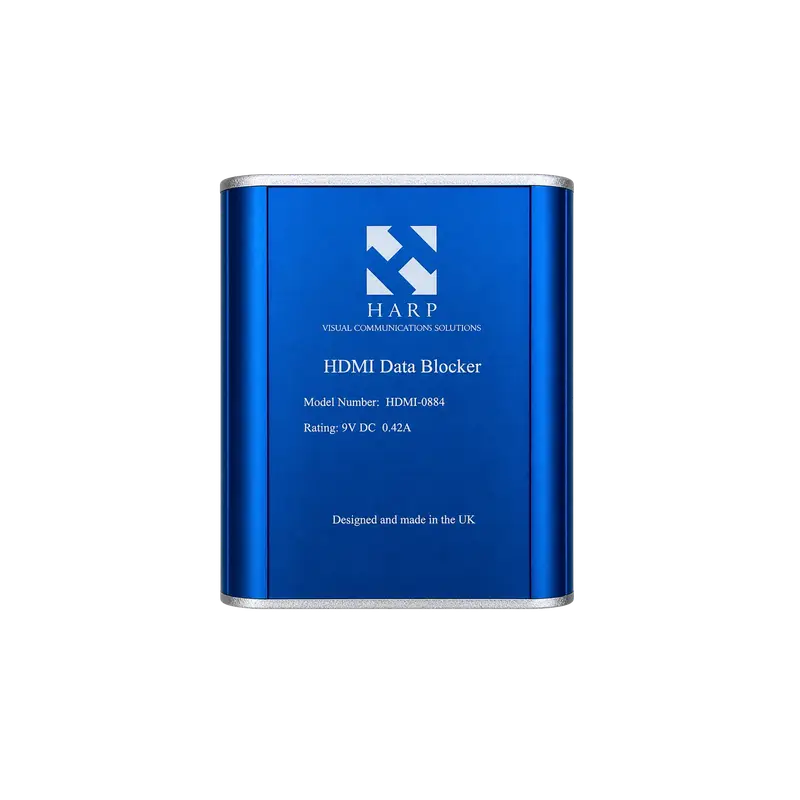
An HDMI Data Blocker is a hardware-enforced device that allows display video signals to pass between systems while preventing other HDMI communication paths, including HDMI Ethernet, audio return, CEC control commands, EDID handshakes and DDC channel data. It provides deterministic signal isolation where AV display infrastructure crosses security domains. Buyers typically deploy HDMI Data Blockers in defence command rooms, secure briefing suites, multi-classification operations centres and government environments where one-way display flow is required. The Harp Visual HDMI Data Blocker is UK-designed, UK-manufactured and has been deployed within UK Government and MOD environments. It is available through UK government and defence procurement frameworks. Unlike software-based isolation, the device requires no user-installed software and no network-managed configuration. Separation is enforced at circuit level, giving procurement and assurance teams a predictable hardware boundary for controlled AV interfaces.
SECURE AV INFRASTRUCTURE
How it works
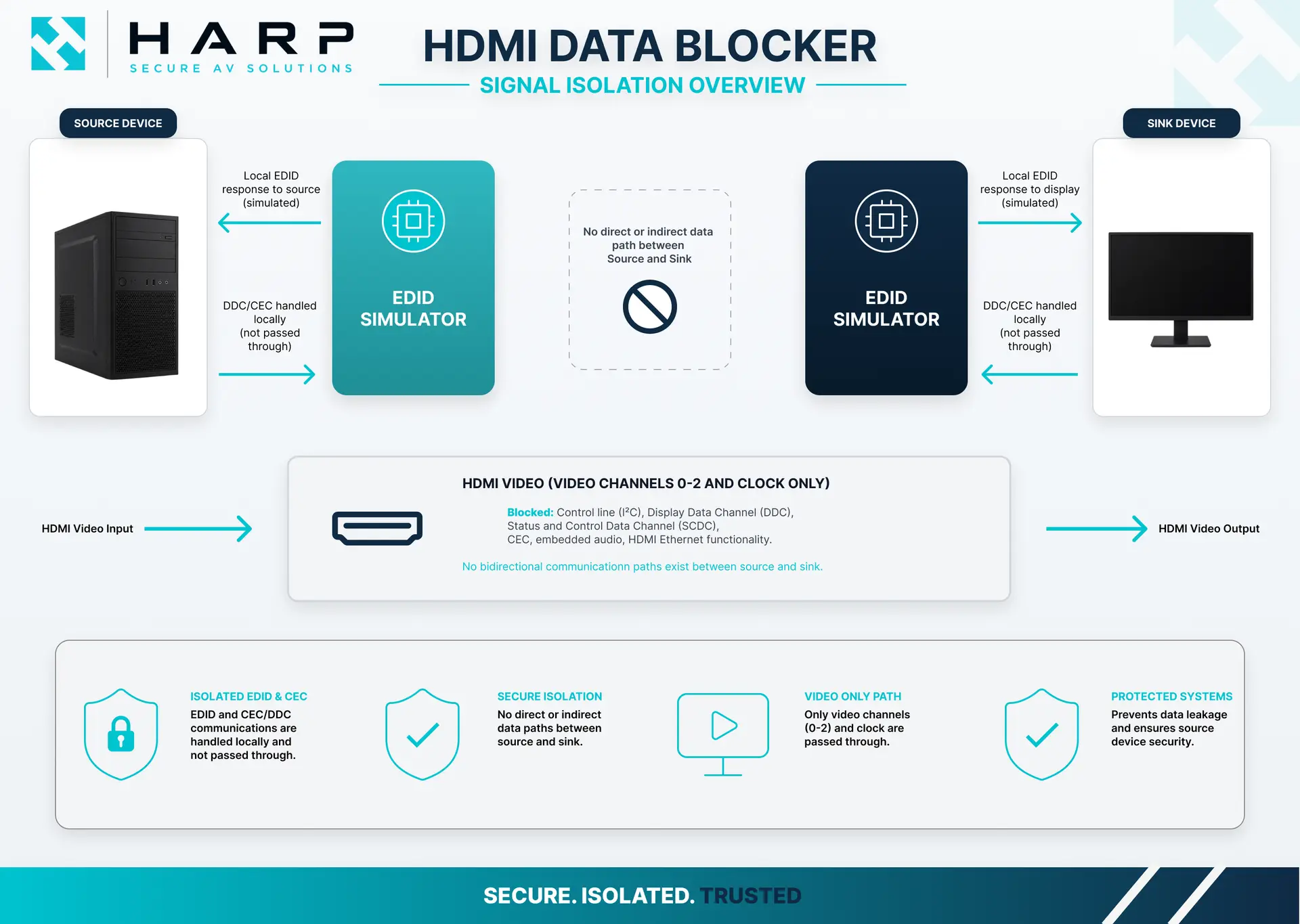
Hardware-enforced interface control for environments where display connections fall outside standard IT security governance.
EDID and related HDMI communication are handled locally at each side of the device. The video path is maintained, while auxiliary communication channels are not bridged between source and display.
Where it is used
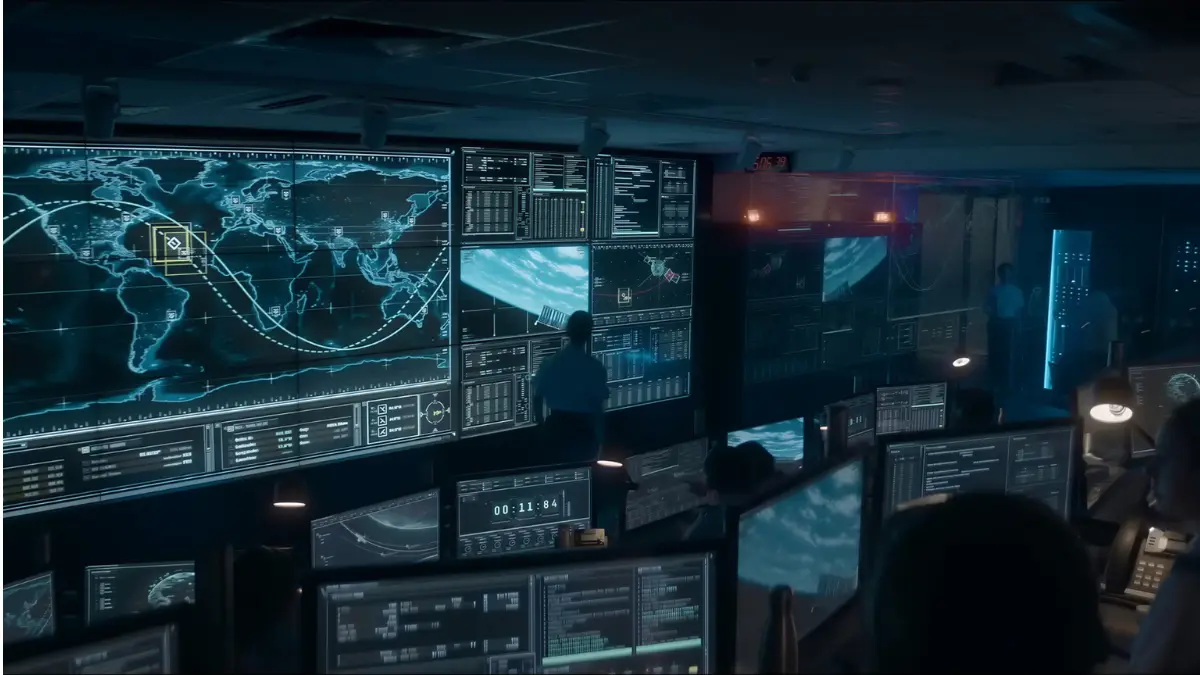
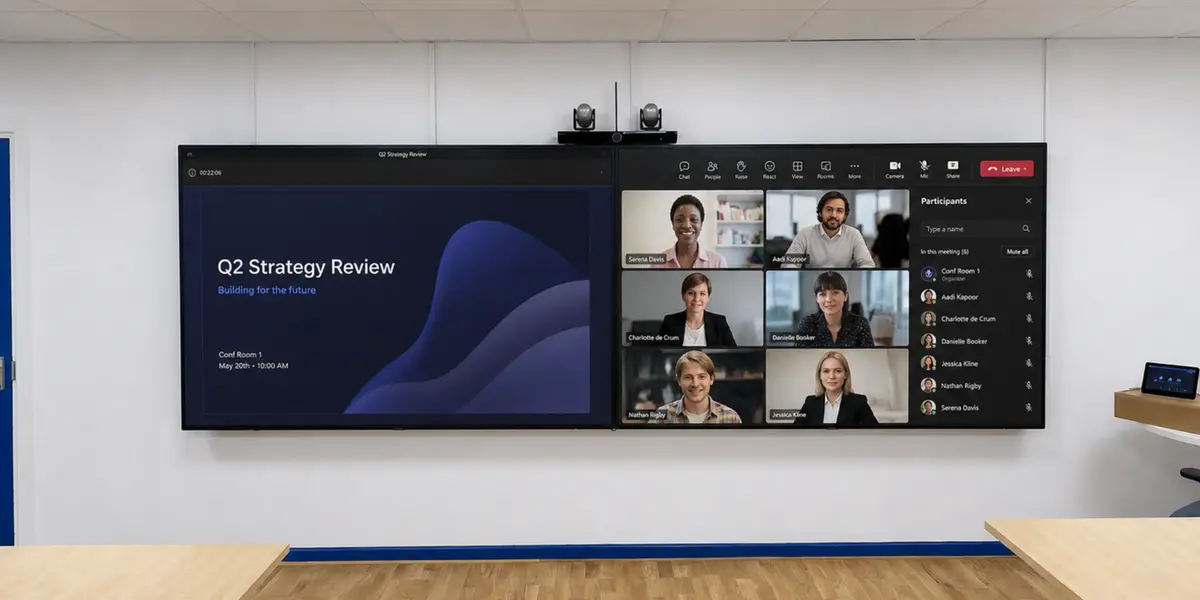
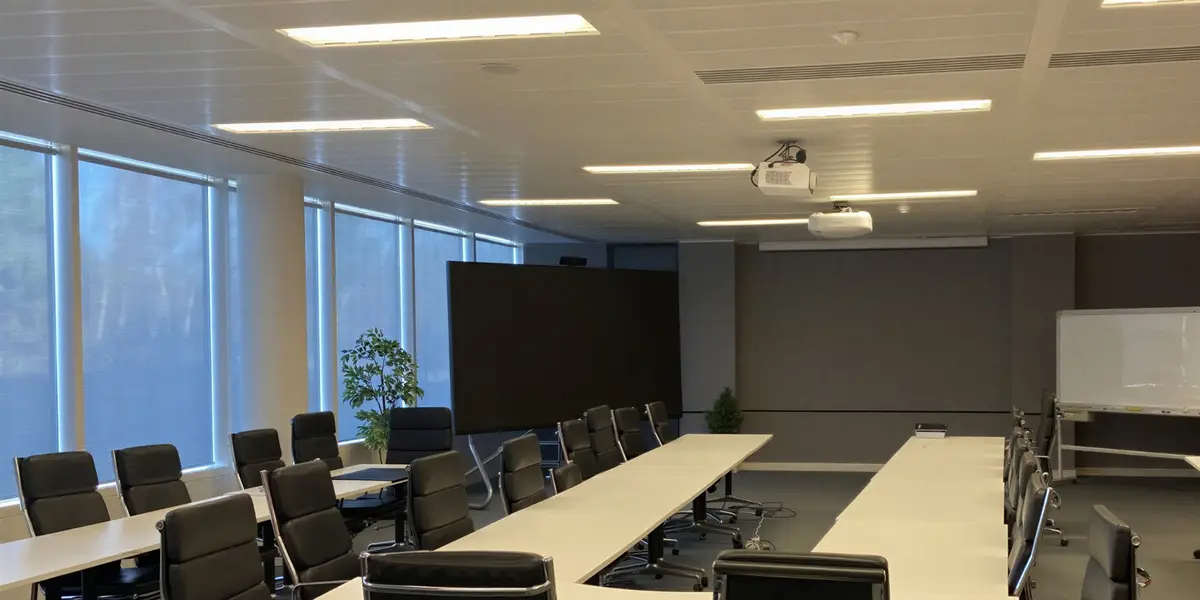
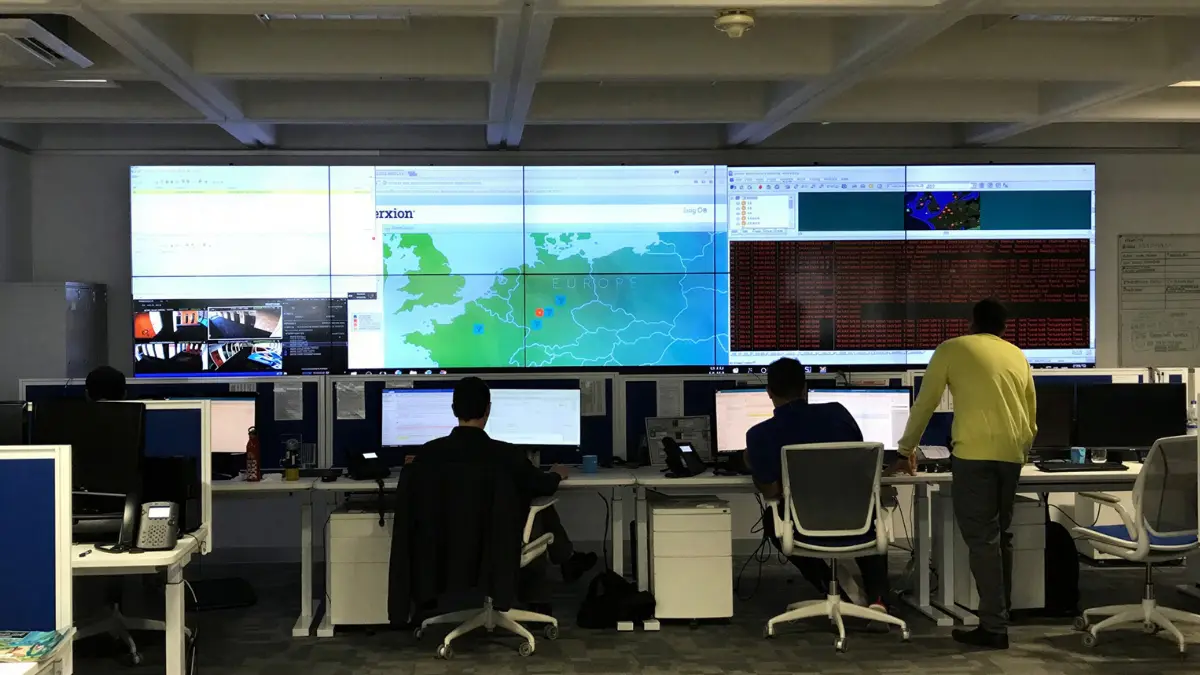
The HDMI Data Blocker is specified in environments where controlled visual output is required but unmanaged HDMI communication between systems presents a security or management concern.


Assurance and deployment
The Harp Visual HDMI Data Blocker circuit design has undergone technical security evaluation activity within UK Government environments.
The product has also been deployed within UK Government and MOD environments as part of secure AV architectures, including multi-classification display environments, secure control rooms and briefing spaces.
The same hardware-enforced signal separation approach is available for regulated, financial, enterprise and critical infrastructure environments where controlled display connectivity is required.
Further assessment and deployment documentation is available to qualified organisations through controlled channels on request.
Common questions
Direct answers for teams assessing HDMI interface control, secure AV architecture and deployment requirements.
What is an HDMI data blocker?
An HDMI data blocker is an inline hardware device that allows the required video signal to pass between a source and a display while preventing non-video HDMI communication channels from passing between connected systems. It enforces a one-way visual path at the hardware level without requiring user-installed software, network connectivity or network-managed configuration.
Why are HDMI interfaces a security concern in controlled environments?
HDMI connections carry more than a visible video signal. The same interface includes communication channels used for device identification, control and negotiation. In secure or controlled environments, these channels can represent an unintended communication path between connected systems - one that may sit outside standard IT security controls. A hardware-enforced device removes that path without relying on software policy or user behaviour.
Where is the HDMI Data Blocker used?
- Secure control rooms and command environments
- Defence and government facilities
- Multi-domain or multi-classification systems
- Meeting and briefing spaces handling sensitive information
- Environments where systems at different security levels share display infrastructure
- Situations where visitor, contractor or third-party devices connect to controlled room display systems
Does it work with visitor or contractor laptops?
Yes. The blocker sits inline between the laptop HDMI output and the room display or switcher. It allows the presentation to display normally while removing the unmanaged HDMI interface risk. No configuration is required and the user connects and presents as normal.
Is the HDMI Data Blocker UK manufactured?
Yes. The HDMI Data Blocker is designed and manufactured in the UK.
How does it fit within a wider secure room design?
The HDMI Data Blocker is specified as one layer within a wider secure AV architecture. Harp Visual designs complete secure room systems incorporating the blocker alongside the MERLIN video wall processor, AV-over-IP distribution, source routing and controlled connectivity - aligned with Secure by Design principles and applicable secure-room requirements where specified.
Is it available through government procurement frameworks?
The HDMI Data Blocker is available direct from Harp Visual and through UK government and defence procurement frameworks. Contact us to discuss procurement routes.
What documentation is available for assurance purposes?
Assessment and deployment documentation is available to qualified organisations through controlled channels on request. Contact Harp Visual to discuss your assurance requirements.
Can HDMI be used as a cyberattack vector?
Yes. HDMI interfaces include auxiliary communication channels such as DDC/I²C, CEC, SCDC and HEC. These channels can allow bidirectional signalling between connected devices. In high-assurance environments, this can create an unintended communication path between source systems, displays or shared AV infrastructure. The Harp Visual HDMI Data Blocker prevents these auxiliary communication channels from being propagated between connected systems, reducing the risk of unintended signalling through the HDMI interface.
Assessing HDMI interface security in your environment?
Talk to Harp Visual about where the HDMI Data Blocker fits within your AV architecture, your assurance requirements and your procurement route. We can support the wider room design around it.