
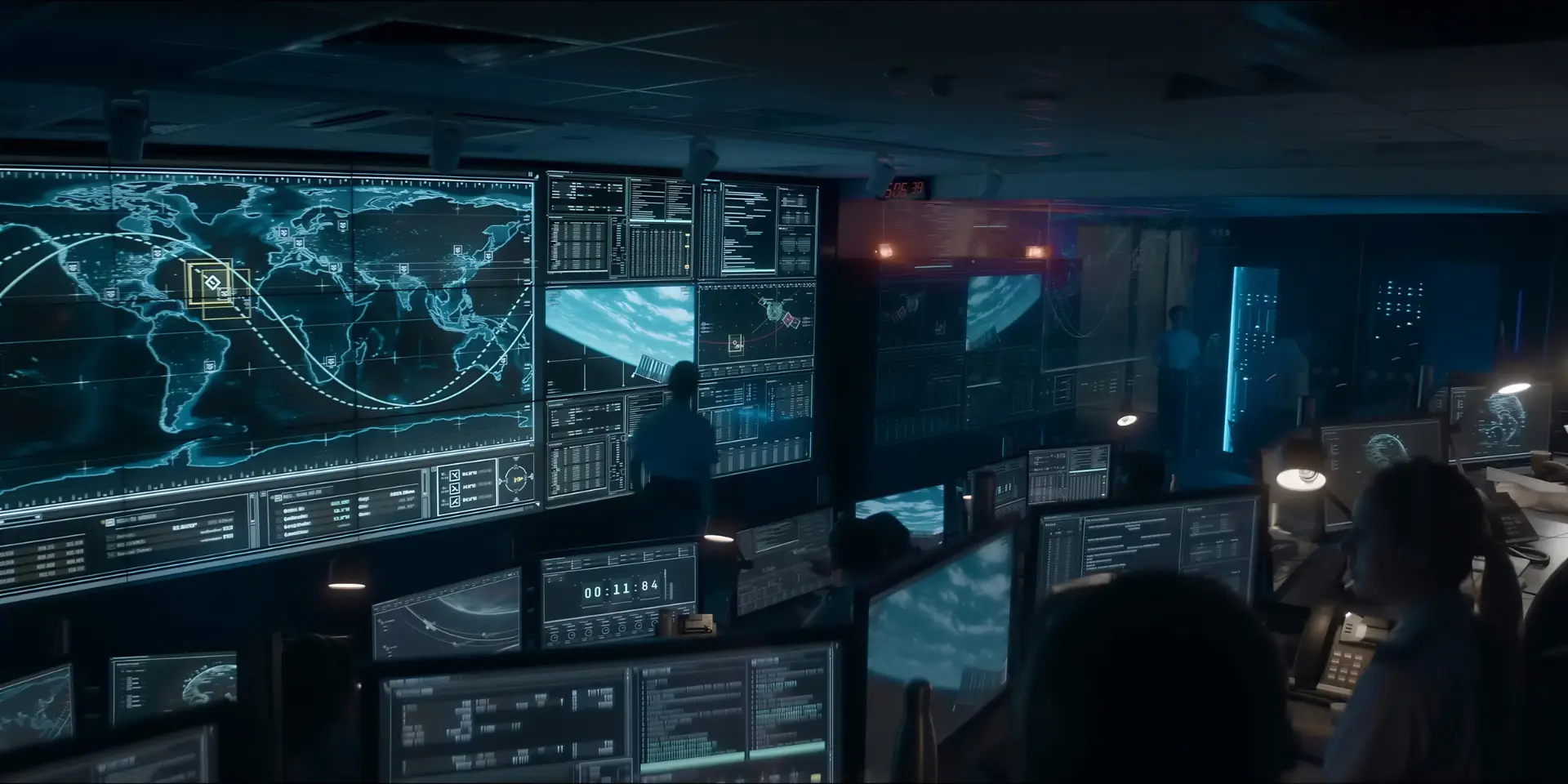
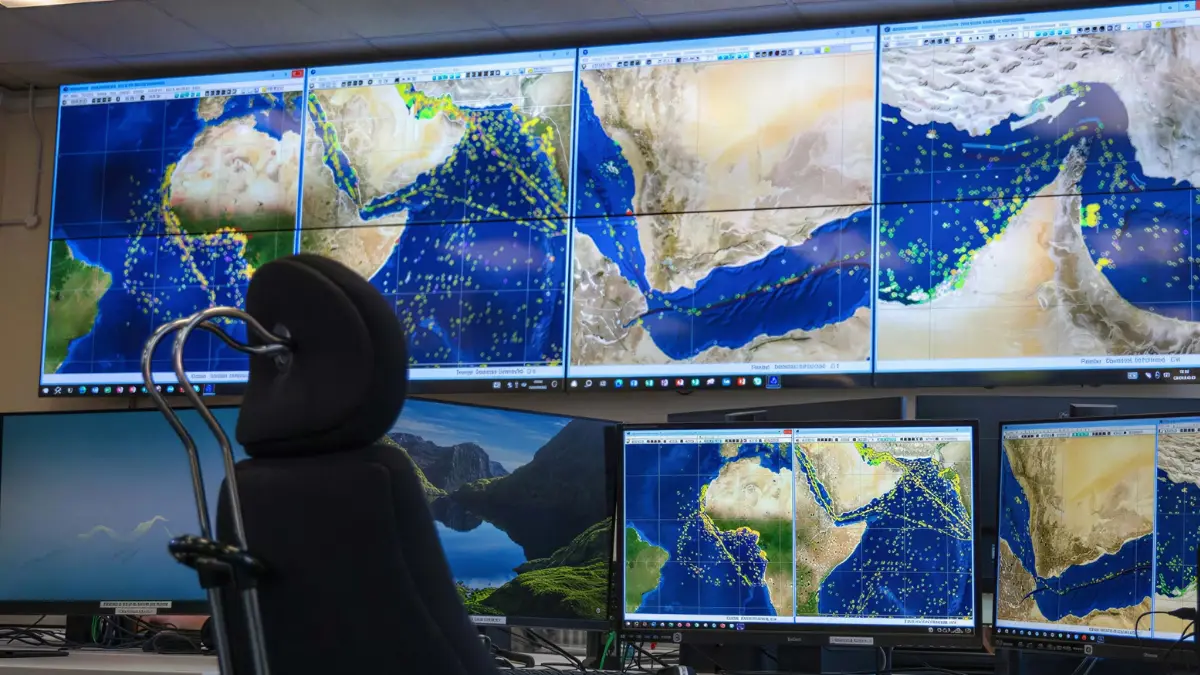
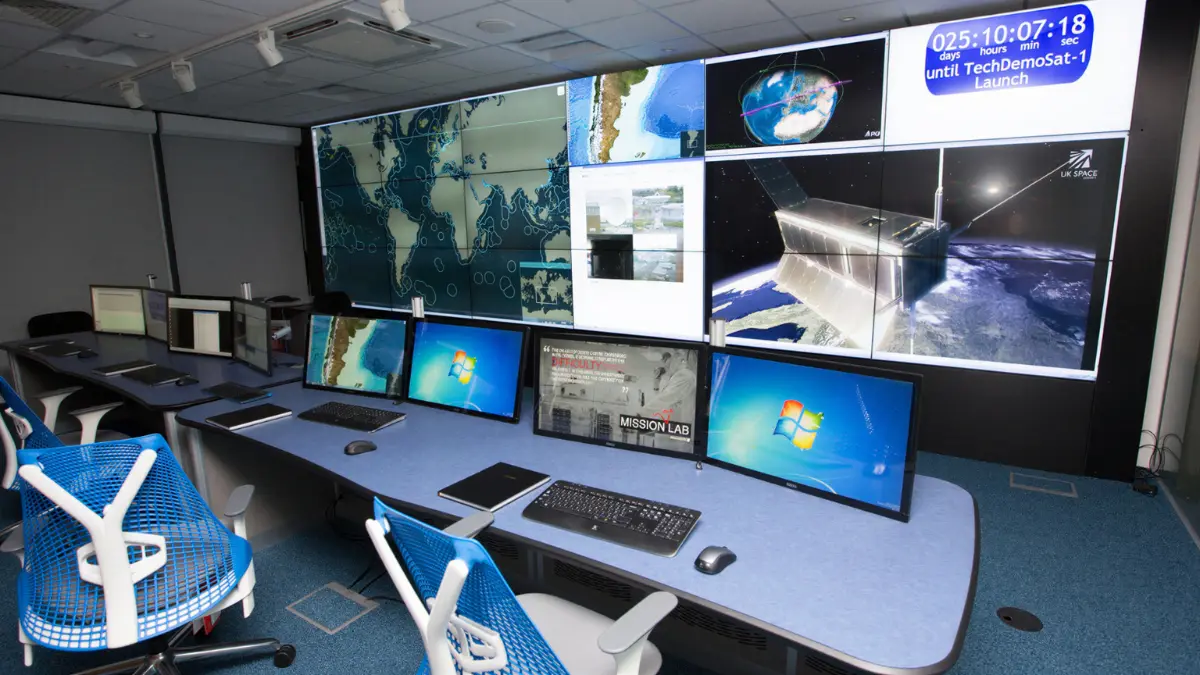
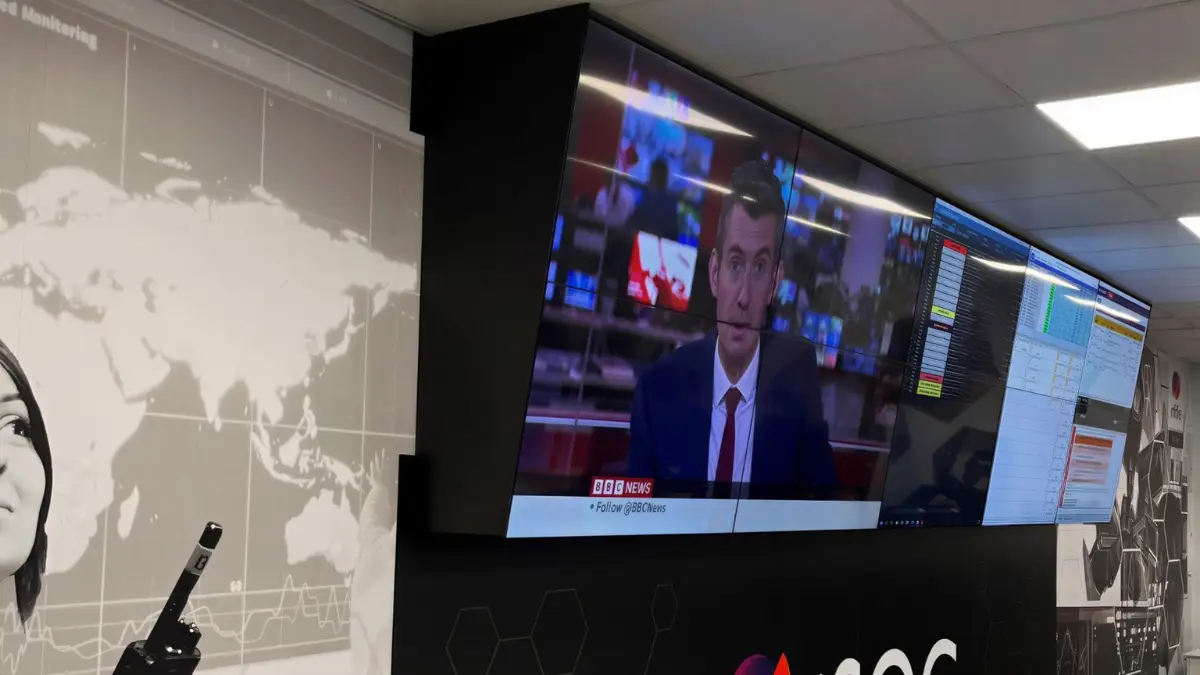
A modern control room AV system combines the display surface, source management, operator control and long-term support needed for continuous operations. The core system usually includes a video wall or shared display estate, video wall processing, source routing, AV-over-IP or closed-loop signal distribution, KVM for operator interaction, audio and conferencing where required, and preset layouts aligned to live workflows. Good control room design starts with who needs to see which information, not with screen size. It should account for CCTV, SCADA, GIS, dashboards, broadcast feeds, desktop sources, incident rooms, resilience, maintenance access and handover documentation. Harp Visual has delivered control room AV for environments including Transport for London, Thames Water, utilities monitoring, defence operations and space mission rooms. The aim is stable multi-source visibility, fast operator response and predictable behaviour during normal operations and incidents.
Control rooms, command environments, and knowledge walls.
Designed around who needs to see what to do their job. We design and integrate mission-focused operational rooms where teams can see, share and act on critical information - without the AV system getting in the way. Harp Visual has been delivering control rooms, command and control systems, operations rooms and knowledge walls since 1998 - across defence, transport, utilities, government, space and enterprise environments in the UK and internationally.
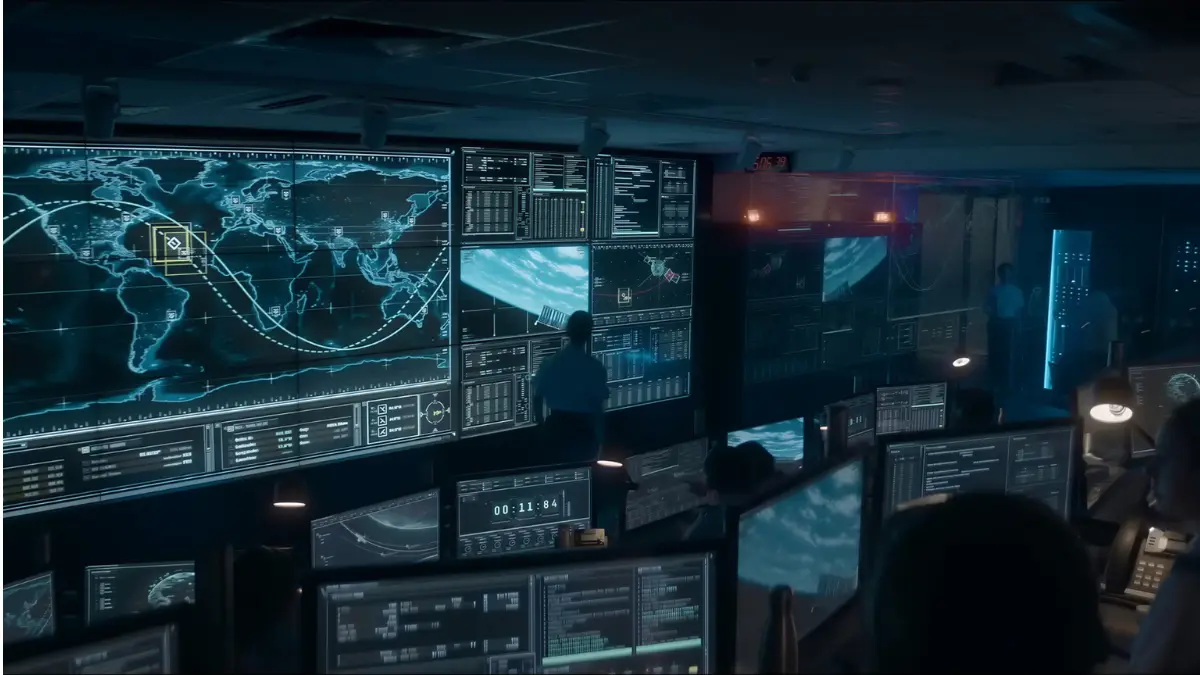
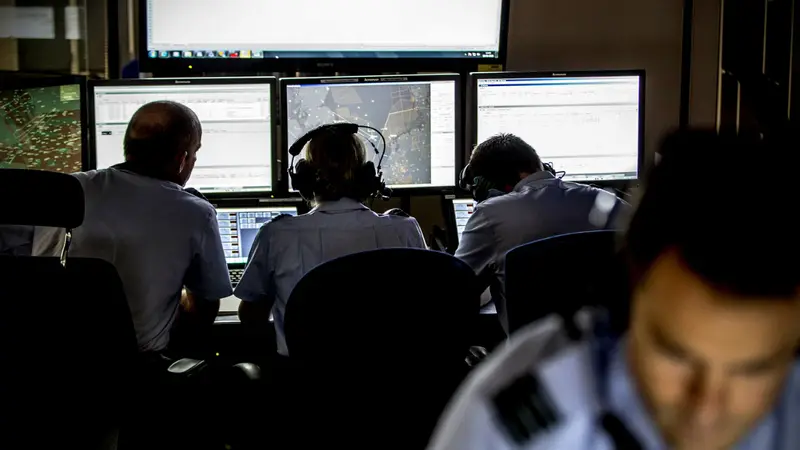
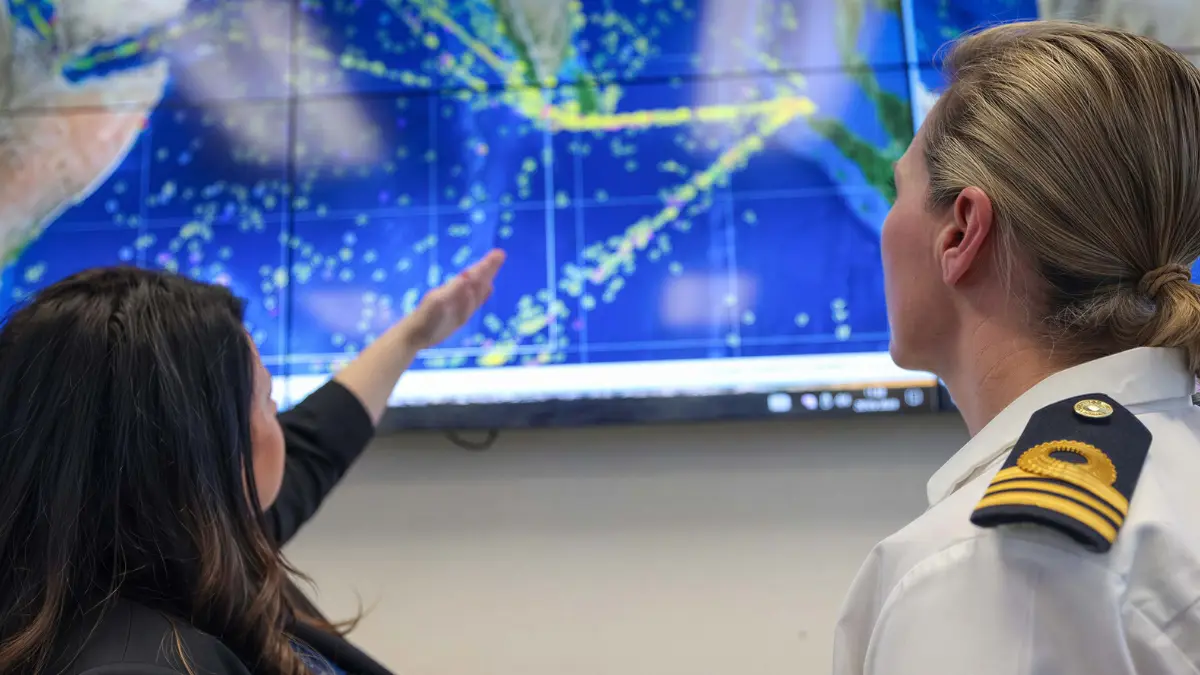
A Harp Visual control room installation features in a Royal Air Force recruitment campaign.
Control rooms, command environments and operational spaces
These environments are known by different names across different sectors and organisations. Harp Visual designs and delivers all of them - the design principles are the same even when the terminology differs.
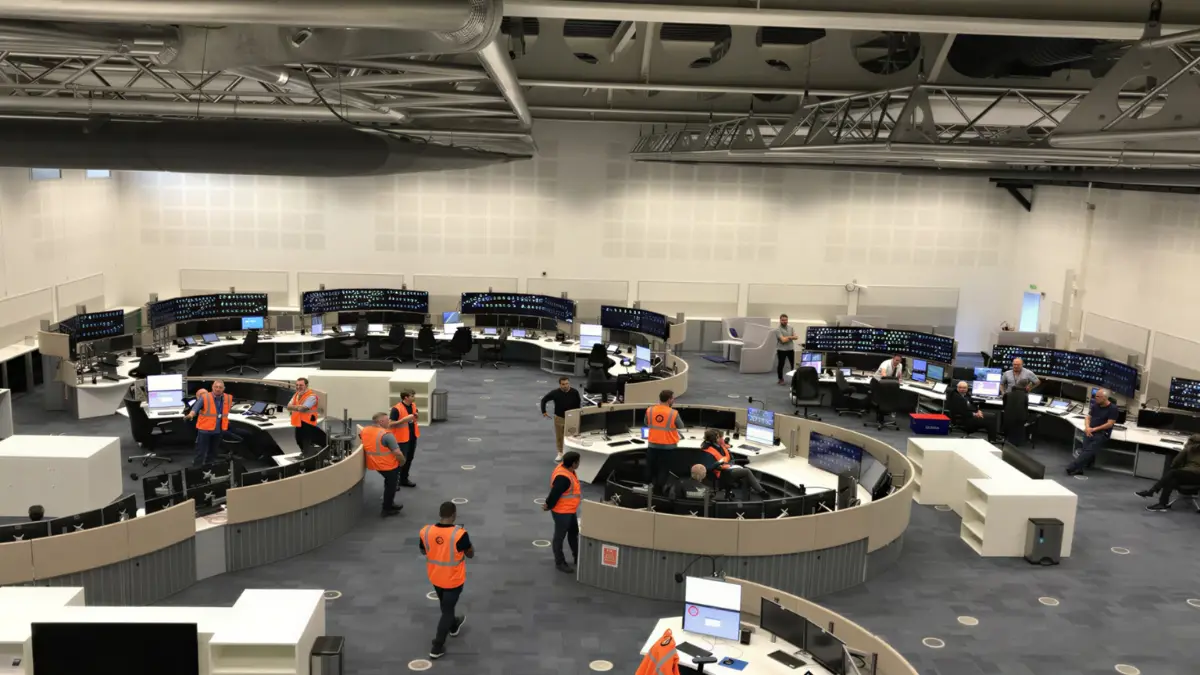
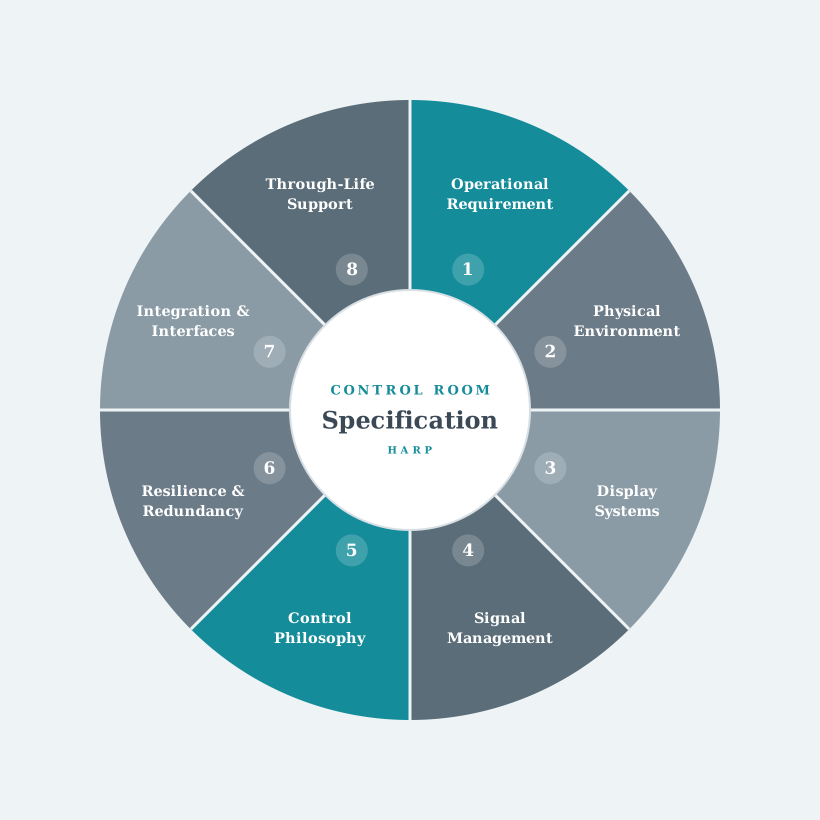
How we approach control room design
Control room design starts with the operational model, then works back to display, routing, interface and support decisions.
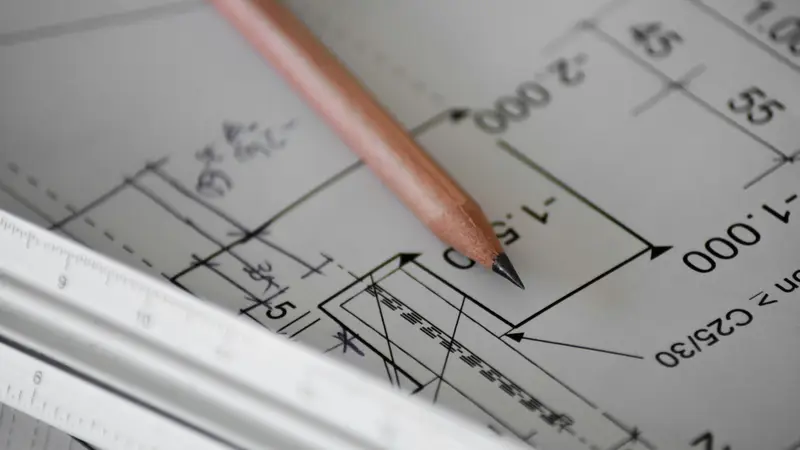
Operational study
Every project starts with understanding how the room operates, or how it is intended to operate: users, information flows, decision points and the consequences of system failure.
User requirements
Harp Visual works from first principles: who needs to see what, to do their job. Each role is assessed for function, responsibility, information need and workload, with ISO 11064-aligned operations workstations, console layout and shift-design considerations built into the brief.
System security
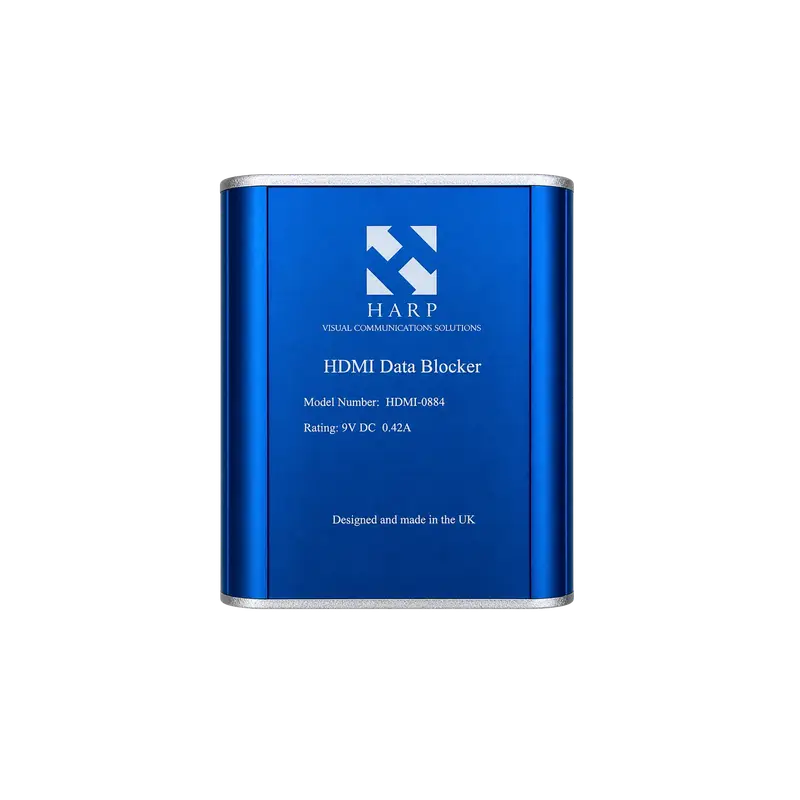
Secure boundary architecture, signal isolation and closed-loop system options are considered before equipment is specified. Designs align with Secure by Design principles and relevant NCSC Cross-Domain Design Principles, with redundancy, hot-standby architecture, observable health states and pre-agreed manufacturer escalation paths planned where the operational risk requires it.
System concept
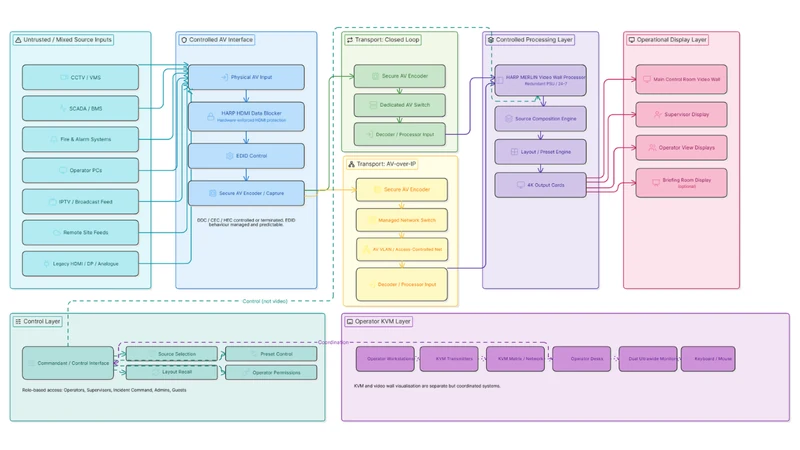
The analysis drives decisions about display layout, source routing, operator interfaces and architecture. The system concept is tested against the operational requirements before equipment is specified.
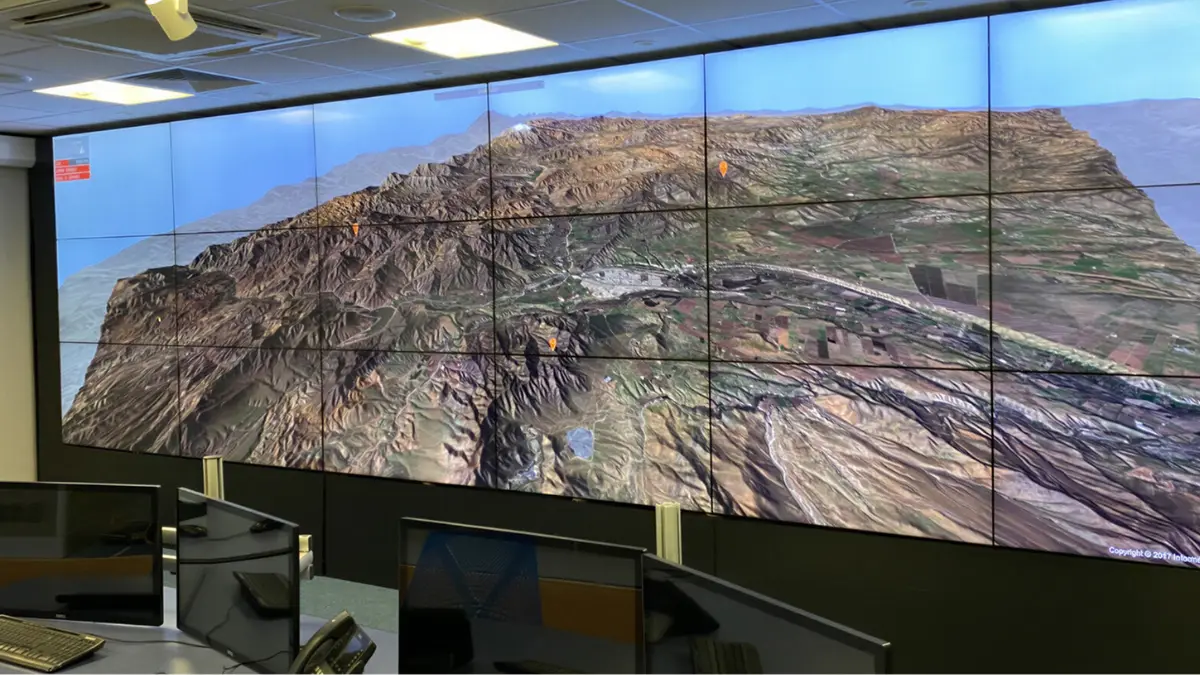
Where our systems are deployed
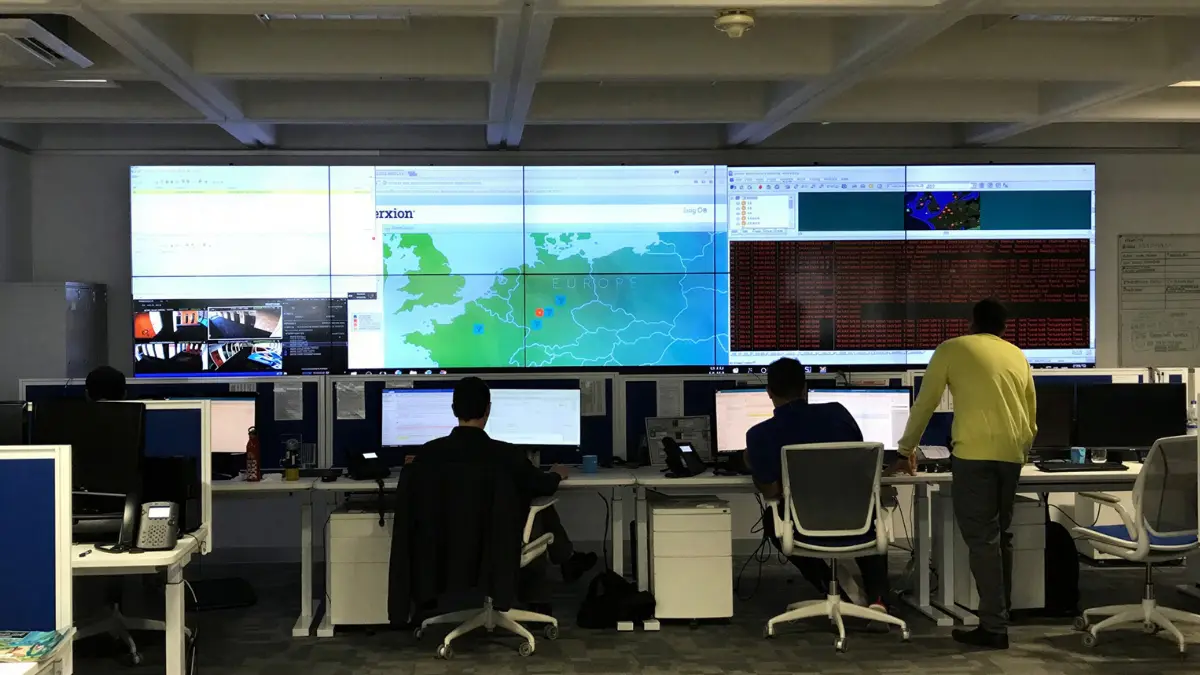
Harp Visual delivers control room and command environment systems across defence, transport, utilities, government, space and enterprise. Project experience includes some of the most demanding operational environments in the UK and internationally.
What operational rooms need from their AV systems
Core requirements are kept deliberately practical: the room must keep information visible, route sources predictably, support operators under pressure and remain maintainable over a long operational life.
- Reliable visualisation: Operators need clear, stable display of live sources - CCTV feeds, GIS mapping, SCADA data, dashboards, broadcast feeds and shared operational information - consistently, without interruption, across every display in the room.
- Continuous 24/7 operation: Control room systems are designed to run without interruption. Redundant power, hot-swap capability, resilient signal architecture and hardware specified for sustained high-dependency operational use.
- Controlled signal routing: Sources routed to the right displays and operator positions without unnecessary complexity or delay. Predictable, repeatable access to the right information - managed through a controlled architecture, not user workarounds.
- Operator usability: Interfaces, presets and room behaviours designed for the operators, supervisors and duty managers who use the room every shift - not for the engineers who built it. Simple, consistent and dependable.
- Situational awareness: The room environment must support rapid awareness of live operational status, incidents, alerts and changing conditions - presenting the right information at the right time to the right people.
- Long-term supportability: Control room and command environments have long operational lives. Signal architecture, component selection and support arrangements are designed for high-dependency, long-life use from the outset.
Multi-classification command and operations environments
For defence and government environments handling information at different security levels, Harp Visual designs operational rooms that support multiple information handling domains within a single space.
This requires more than software configuration. It requires physical and logical separation of signal paths, dedicated processing per classification domain, hardware-enforced interface control at every source connection, and an architecture that does not rely on user behaviour or software policy to maintain separation between domains.
All Harp Visual control rooms are designed in line with Secure by Design principles, HSE ergonomic guidance and relevant NCSC security guidance, with security, operator wellbeing and operational resilience considered from the architecture stage.
Harp Visual delivers multi-classification control room and operations room systems based on proven architectures deployed across UK defence and government environments. Three solution approaches are available depending on assurance requirements, budget and operational context.
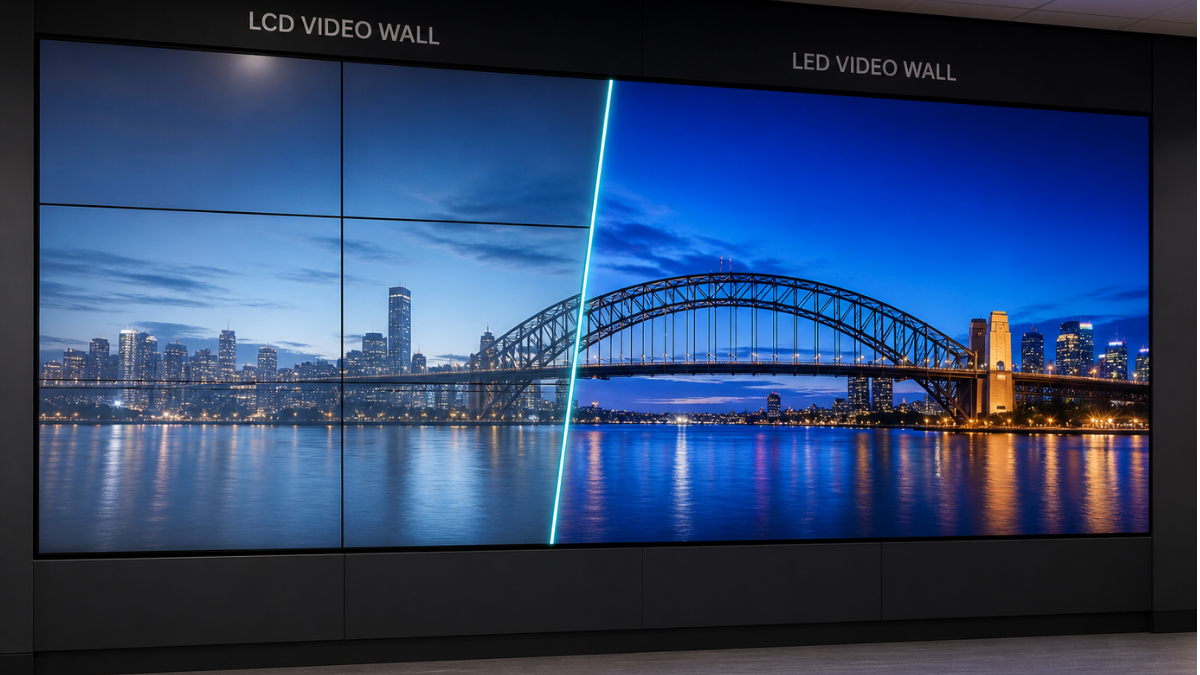
LCD - Secure solution
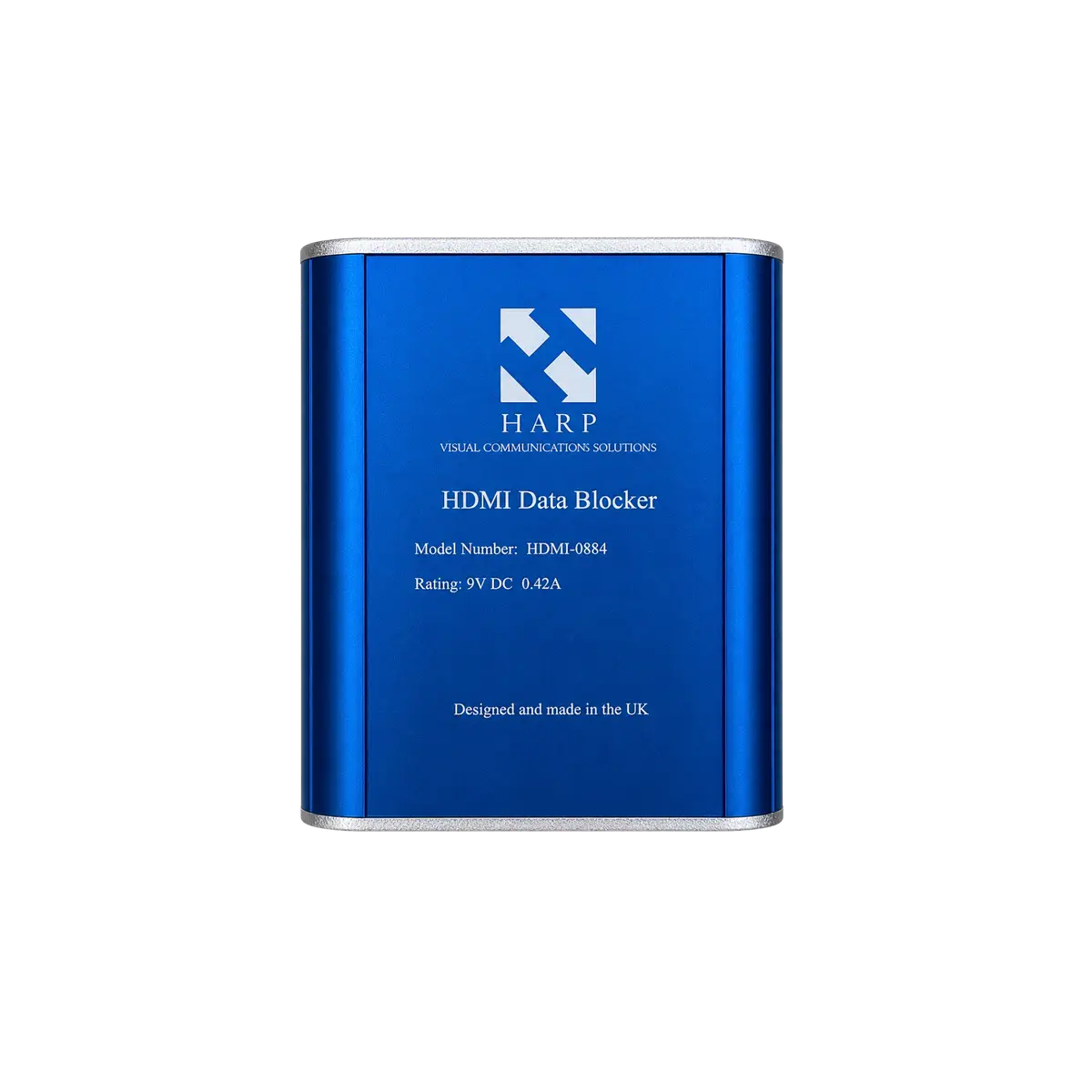
Scalable LCD video wall with multi-domain support through controlled AV-over-IP. HDMI Data Blockers per source, MERLIN IPX processing and role-based access. Cost-effective option that supports defence assurance discussions.
LCD - High-assurance architecture
Full physical and logical separation per classification: dedicated MERLIN IPX, dedicated fibre and dedicated rack per level. No shared processing layer between domains. Designed to simplify assurance and reduce cross-domain risk.
LED - Modern display platform
Premium bezel-free LED video wall with multi-classification capability and segregated AV-over-IP. TAA-compliant country-of-origin options support defence procurement, with full component traceability.
All three architectures incorporate HDMI Data Blockers on source inputs to enforce hardware-level unidirectional signal flow - preventing non-video HDMI communication paths from being bridged between connected systems regardless of classification level.
What Harp Visual designs and builds
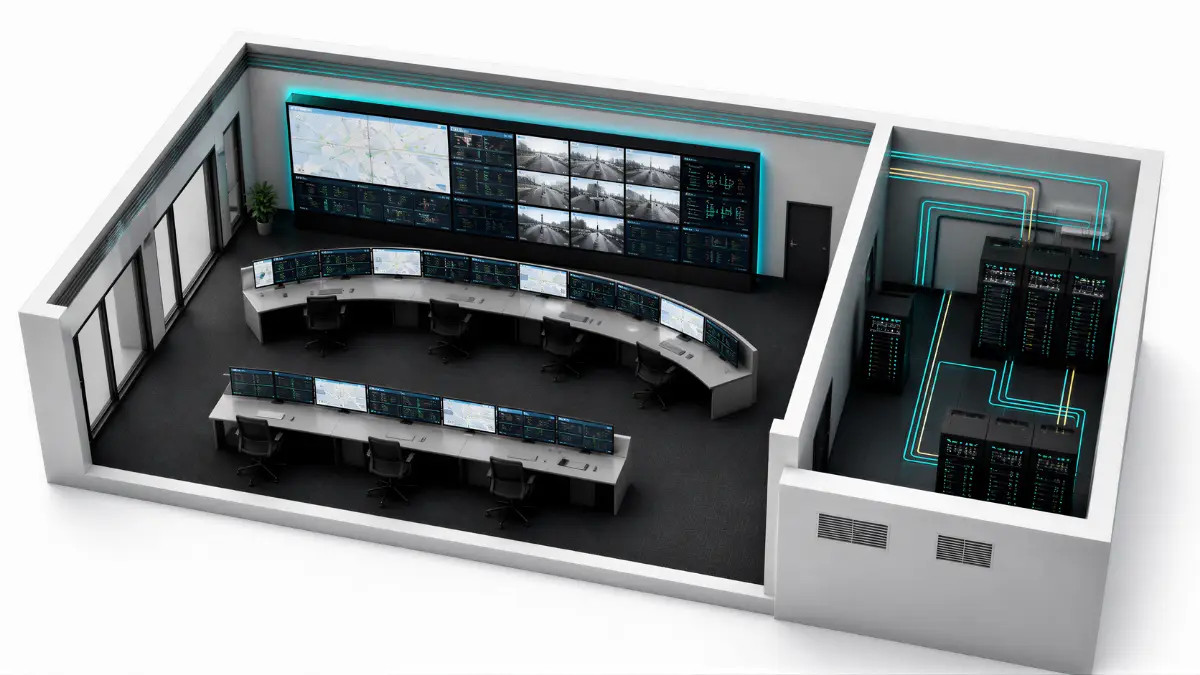
Control room infrastructure is specified around how the room works, not around a pre-selected equipment list.
Operational architecture
Display layout, signal routing, processing architecture, operator interfaces and support requirements are all defined around the operational model.
Fit-out scope
Every component serves a clear purpose. Where the room demands furniture, environment, electrics and AV, Harp Visual manages the full scope.
Secure AV integration
Where the room includes sensitive presentation or controlled collaboration requirements, Secure AV capability can be considered as part of the wider architecture.

Video wall management software
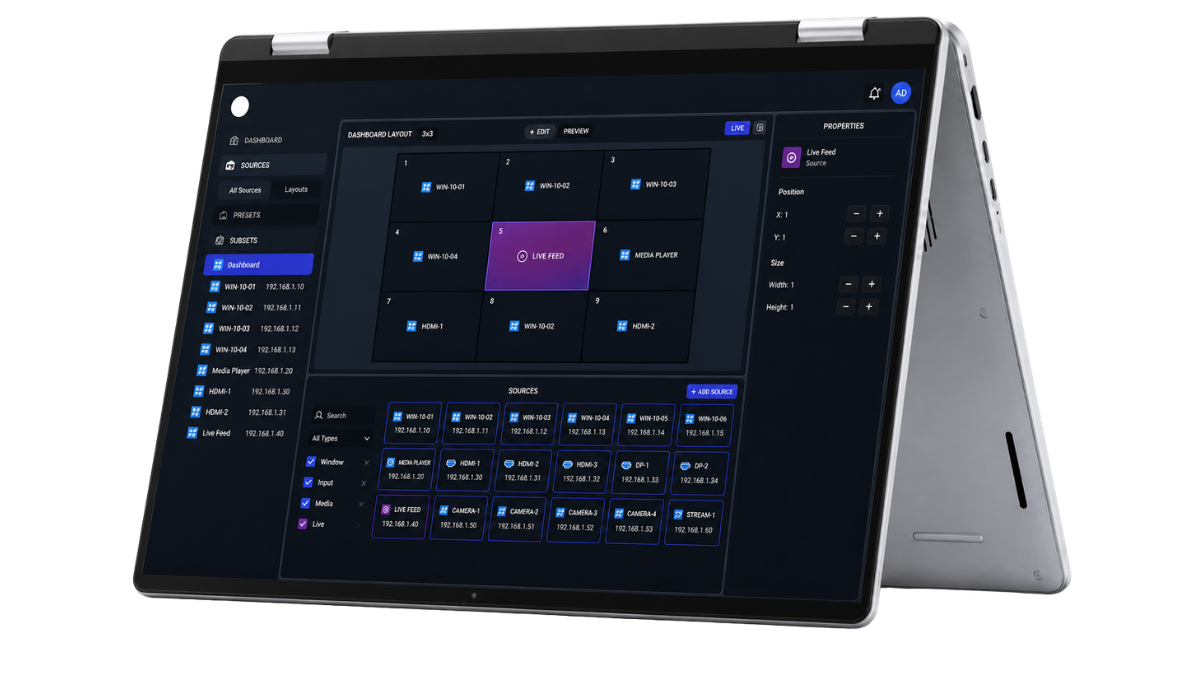
Video wall management software gives operators a controlled way to manage what appears on the wall during real-time decision making.
Operator control
In Harp Visual systems this is normally delivered through CommandaNT control, operated from a touch panel or operator PC.
What it does
CommandaNT supports source selection, window layout control, preset recall, salvo switching, role-based behaviours where scoped and repeatable operating modes for mission-critical rooms.
What it does not do
It does not replace the video wall processor, security architecture, source encoding layer or physical signal path design. It controls the system built beneath it.
Licensing
CommandaNT is provided with lifetime licensing for the delivered system configuration, avoiding recurring software licence uncertainty for long-life control room deployments.
MERLIN Processor
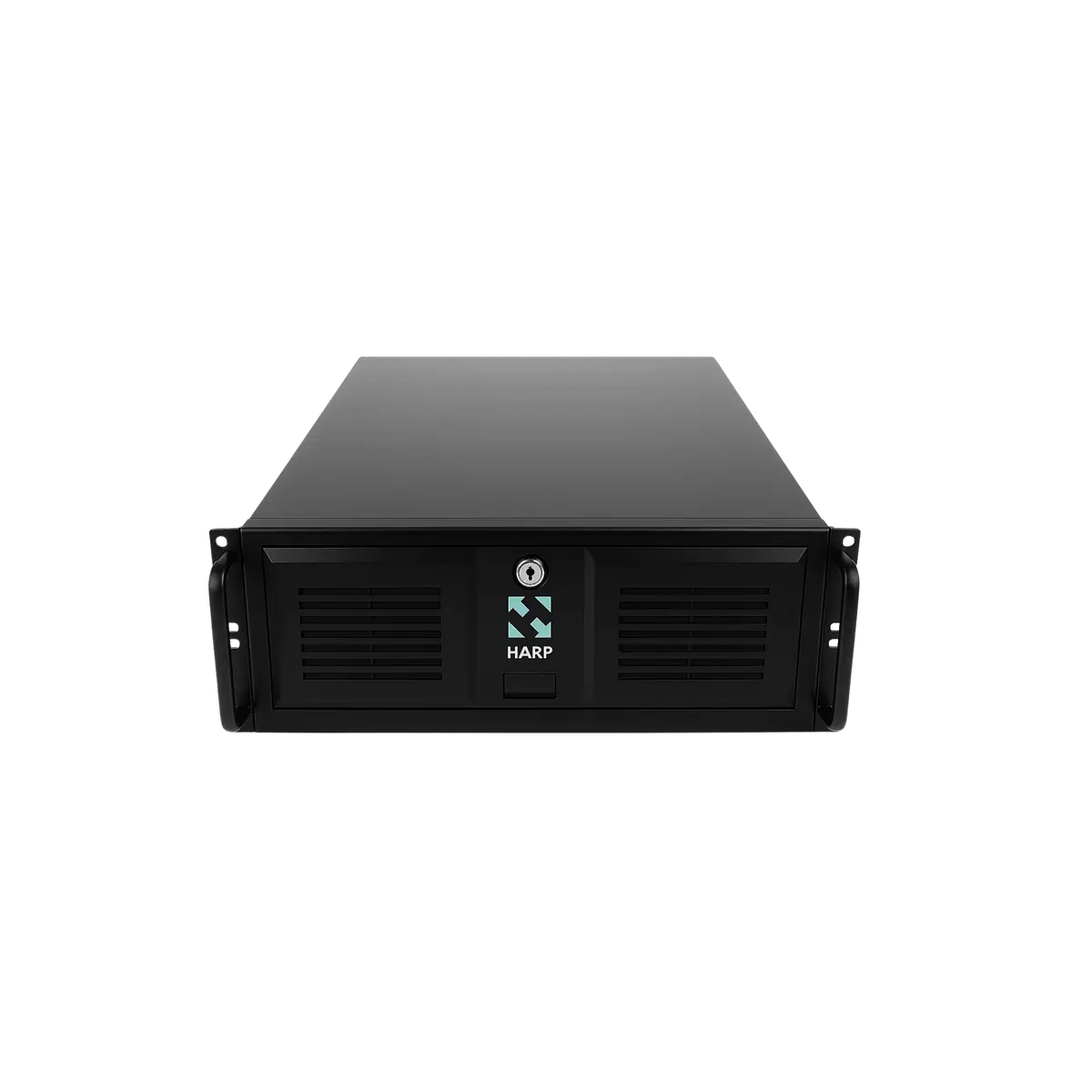
MERLIN - our own video wall processor, built for operational environments
MERLIN is a UK-designed and manufactured video wall processor built specifically for 24/7 operational control rooms and command environments. It is purpose-built for the environments Harp Visual has been delivering into for over 28 years - not around a pre-selected equipment list.
Its core capability is the integration of multiple image sources into one continuous screen surface - presenting live feeds, dashboards, CCTV, mapping and operational data across large video wall configurations with controlled routing and flexible layout management.
Up to 64 screen outputs
Drives up to 64 HDMI/DisplayPort outputs from a single unit. Multiple sources presented across large video wall configurations with controlled routing, flexible layout management and rapid preset recall.
4K across all outputs
Full 4K resolution across all outputs. HDMI and DisplayPort input cards. IP streaming via the IPX variant for AV-over-IP and multi-site distributed architectures. H.264/4:4:4 decode in real time.
Built for continuous operation
Dual redundant power supplies with hot-swap capability. 80,000-hour MTBF. Redundant Ethernet. Modular design. Operational temperature range +5C to +40C. Built for environments where the system cannot go offline.
CommandaNT control system
Touch panel interface for real-time layout management, preset recall and source routing. Unlimited window configurations, freeform positioning and rapid switching between operational scenarios.
A project record built across 28 years - in the UK and internationally
Harp Visual's control room and command environment project record includes public and controlled references across defence, transport, utilities, space, data centre and enterprise environments. Where confidentiality requires it, we keep project detail non-specific. We can discuss relevant experience directly with qualified teams.
- A 40-screen video wall for NATO in Kabul - a joint operations centre environment supporting operational command.
- London Underground's main control centre - commissioned Harp's 4K video distribution system for real-time network visibility across multiple Underground lines.
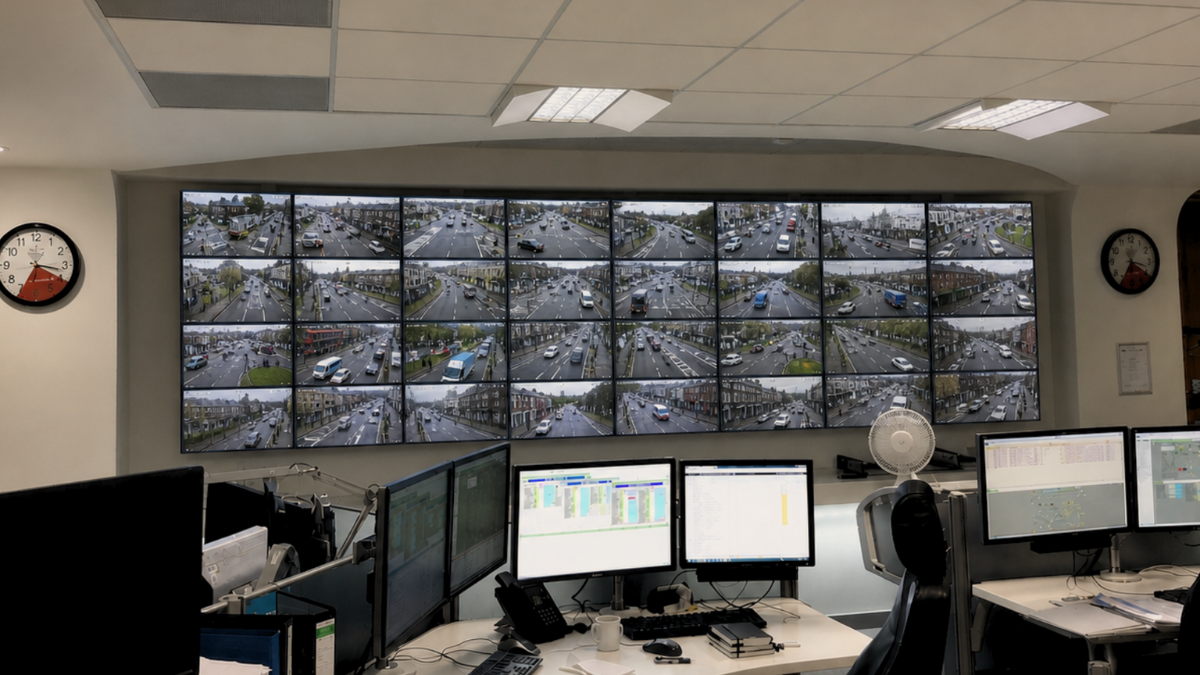
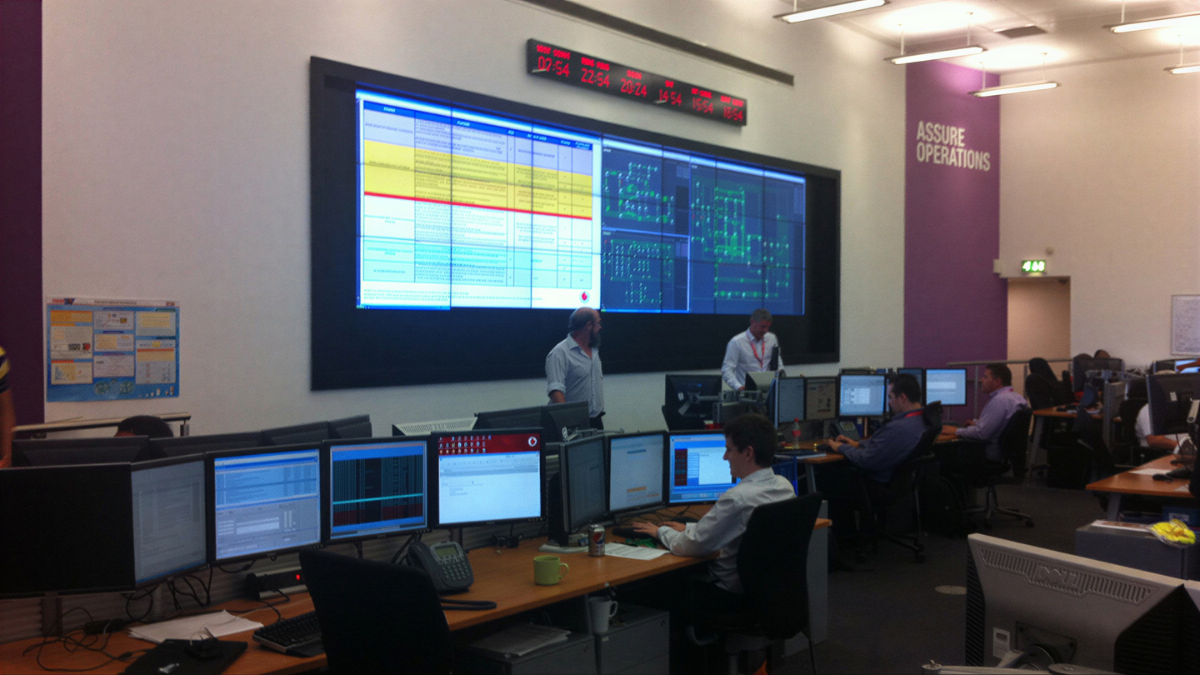
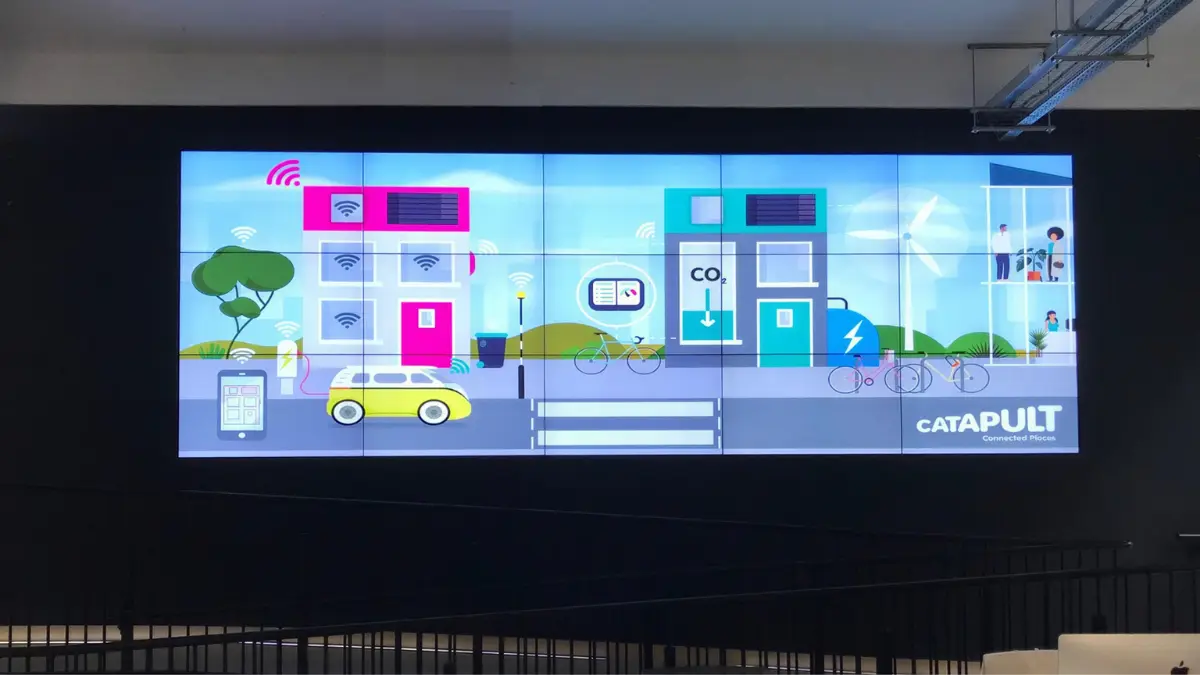
- Thames Water Central Control Room - video wall upgrade integrating operational feeds, mapping and performance dashboards for infrastructure network management.
- Transport for London operational infrastructure - control and display systems supporting one of the world's busiest urban transport networks.
- Interxion Data Centre - operations and monitoring environment for critical data infrastructure.
- European Space Agency - mission operations and visualisation environments for space programme support.
- Royal Navy and RAF command environments - delivered across UK defence estates.
- A Harp Visual control room installation features in a Royal Air Force recruitment campaign.
- Defence programmes in the United States - international delivery for major defence prime contractors.
Maintenance and support
Control room support is scoped around operational sensitivity, response requirements and planned maintenance windows.
Support package
Every control room and command environment Harp Visual delivers can be supported by a tailored maintenance and support package.
Operational response
Control room environments can require proactive maintenance, firmware management within agreed windows, 4-hour attendance options in the UK and 24/7 engineer-manned service desk cover.
Sensitive environments
Support staff are experienced in working within controlled, restricted and operationally sensitive environments.
Common questions
Direct answers for teams planning control rooms, command environments, operations rooms and knowledge walls.
What is a control room AV system?
A control room AV system is the display, signal routing, source management and control infrastructure that presents operational information to teams. It brings live feeds, dashboards, CCTV, mapping data and shared sources into a room environment so operators can monitor activity and make decisions. In defence environments this infrastructure is often referred to as a command and control room, operations room, knowledge wall or joint operations centre. The design requirement is the same: the right information, to the right people, reliably and without interruption.
What is a knowledge wall?
A knowledge wall is a large-format display environment that collates information from multiple sources to deliver real-time situational awareness - so informed decisions can be made correctly and swiftly. Knowledge walls are common in defence, emergency services and enterprise operations environments. They are designed and integrated using the same principles as control room video wall systems, with particular emphasis on source management, display layout and operator usability.
What is a joint operations centre?
A joint operations centre is a shared operational command environment used in defence and multi-agency settings to coordinate activity across multiple organisations or domains. AV infrastructure in a joint operations centre supports shared situational awareness, controlled information presentation, managed source access and, where multiple classification levels are involved, hardware-enforced separation between information domains. Harp Visual has delivered joint operations centre environments including a 40-screen video wall installation for NATO.
What equipment is used in a control room?
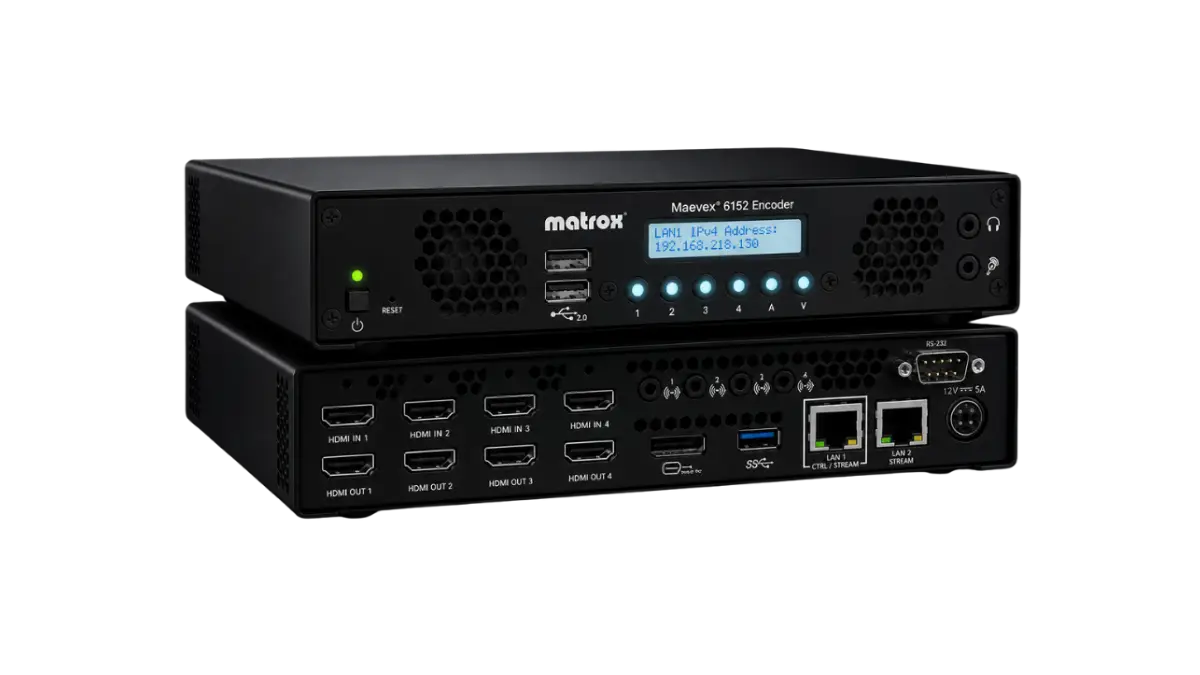
Control rooms typically include LCD or LED video walls, video wall processors, signal encoders, transmitters and receivers, KVM systems, managed network switches, touch panel controllers and operator workstation displays. The exact architecture depends on the sources, number of operators, operational requirements, resilience needs and support model. Harp Visual uses the MERLIN IPX processor - UK-designed and manufactured - as the core processing platform in operational control rooms and command environments.
What is a multi-classification control room?
A multi-classification control room is an operational environment where systems handling information at different security levels share display infrastructure while maintaining controlled separation between domains. This requires physical and logical segregation of signal paths, dedicated processing per classification level and hardware-enforced interface control at every source connection. Harp Visual designs and delivers multi-classification architectures based on proven designs deployed across UK defence and government environments.
Can Harp Visual deliver the complete control room environment?
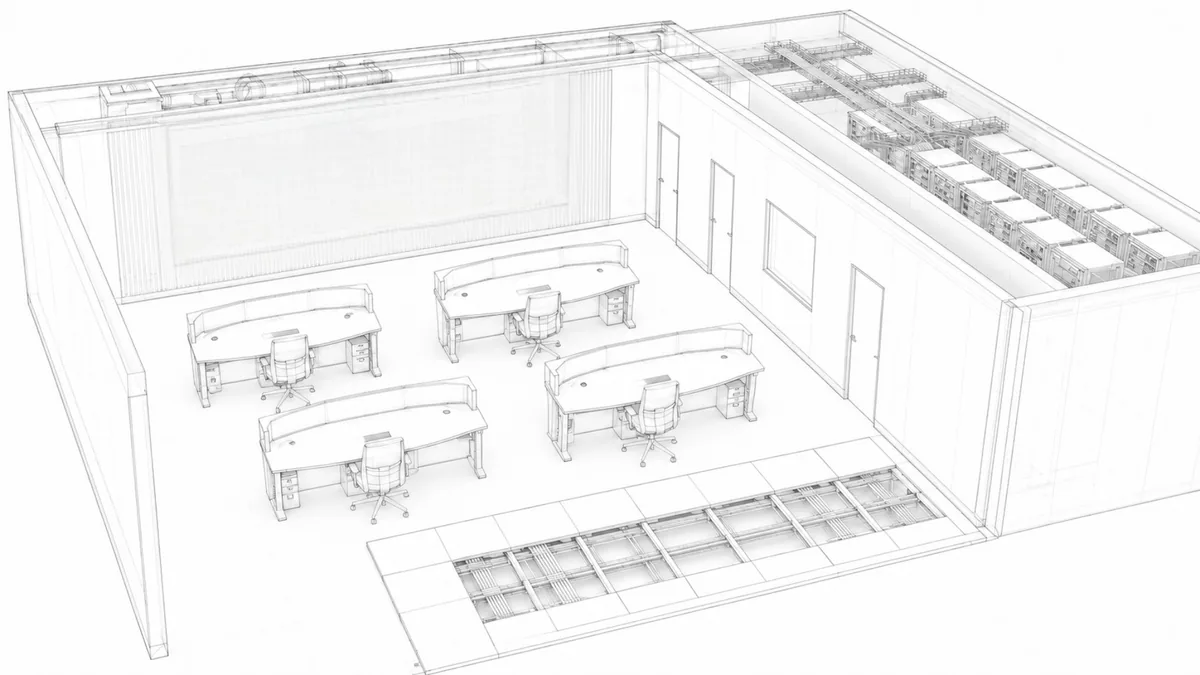
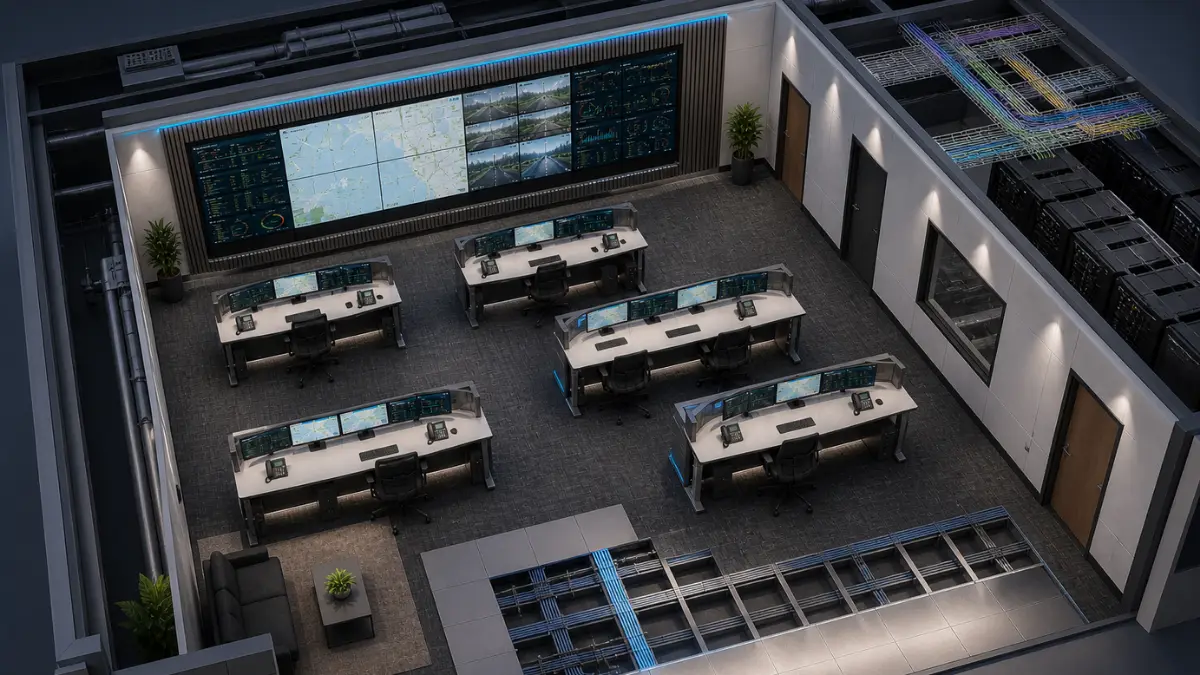
Yes. Harp Visual can manage the complete control room fit-out - AV integration, console furniture including sit/stand operator consoles, air conditioning considerations, lighting, electrics, cable management, panelling and room finishes. The design process includes operational analysis, ergonomic study, 3D renderings and fly-through visualisations - allowing the environment to be validated against operational requirements before installation begins.
What support is available for operational control rooms?
Harp Visual offers tailored maintenance and support packages including proactive maintenance visits, 4-hour physical attendance options in the UK where contracted, 24/7 engineer-manned service desk, firmware and software management, fault diagnosis and repair. Support for control room and command environments is scoped to the operational requirements - including arrangements appropriate for restricted-access and defence estate environments.
Does Harp Visual work with defence organisations?
Yes. Harp Visual has delivered control room, command and operations room systems for MOD, RAF, Royal Navy, FCDO and international defence programmes including NATO. We design multi-classification architectures designed to support defence assurance discussions where required, specify hardware-enforced interface controls and deliver with full technical documentation. We work within environments requiring controlled site access and personnel vetting.
Does Harp Visual provide audio systems for control rooms?
Yes. Audio is a core part of control room design, not an optional add-on. Harp Visual specifies and installs operator intercom, room PA and paging, audio distribution, DSP processing and call audio integration for video conferencing within command environments. Audio is specified for the operational requirements of the room, including noise management for open-plan operational floors and intercom systems for supervisor-to-operator communication.
Can the control room AV system respond automatically to alarms?
Yes, on certain MERLIN configurations. The video wall processor can be configured to detect alarm conditions, such as a colour change in a monitored feed, and automatically switch to a pre-defined display layout showing relevant feeds for that event. This reduces operator response time by presenting the right information automatically when an alarm triggers. Speak to Harp Visual about automated alarm response for your operational environment.
What is a closed loop AV system?
A closed loop AV system is a completely isolated AV network with no connection to any external network - building LAN, internet or otherwise. All sources, processing and displays operate on a physically separate, dedicated network. This is a high-assurance AV architecture - appropriate for environments where unintended external connectivity cannot be accepted and where the system needs to operate as a clearly bounded, standalone installation. Closed loop systems are also referred to as air-gapped AV systems.
What is an air-gapped AV system?
An air-gapped AV system is a closed loop AV installation with no physical or logical connection to any external network. The term air-gapped refers to the absence of any network connection between the AV system and external infrastructure - the gap between them is, in effect, air. Air-gapped AV is commonly specified in defence command environments, intelligence facilities, secure briefing suites and other high-assurance operational spaces where the risk of unintended connectivity needs to be reduced by design rather than managed by policy.
What is secure AV-over-IP?
Secure AV-over-IP is the distribution of AV signals over an IP network - but on a dedicated, physically segregated network rather than a shared building LAN. Managed switching, VLAN segmentation and controlled traffic handling ensure the AV network operates independently and securely. Harp Visual designs secure AV-over-IP systems for single-facility environments and, subject to IT and security team co-operation, for multi-facility or multi-site operational deployments. The MERLIN IPX processor is specifically built for AV-over-IP environments.
What is the difference between closed loop and AV-over-IP?
A closed loop or air-gapped system has no external network connection whatsoever - the AV network is physically isolated. An AV-over-IP system distributes signals over IP but on a dedicated, controlled network that is segregated from external connectivity. Closed loop offers a simpler accreditation boundary. AV-over-IP offers greater scalability - supporting multiple rooms, buildings or sites - but requires appropriate network architecture and security controls. The right choice depends on the assurance requirements, operational context and facility configuration of the specific environment.
Planning a control room, command environment or knowledge wall?
Talk to Harp Visual about your room, your operational context and what the infrastructure needs to support. Whether you are designing a new control room from first principles, upgrading an existing environment or planning a multi-classification operations room for a defence programme - we can support the full design, integration, fit-out and long-term support requirement.